Skip to content

Cupping Therapy in Albany, Georgia

Our cupping therapy supports comfort and movement as part of personalized chiropractic care. We begin with a tailored assessment and explain each treatment step clearly.

Licensed & InsuredUpfront, Transparent PricingServing 3 CommunitiesMon-Fri: 9 am–7 pm, Sat-Sun: Closed
Cupping Therapy at Arrowhead Clinic Chiropractic - Albany supports patients with muscle tension, back pain, neck pain, and related movement concerns in Albany. We review your health history, discuss your goals, and check whether this approach fits your needs. Our team may use cupping alongside hands-on chiropractic care, stretching guidance, or corrective exercises. We offer free consultations, so you can discuss your concerns before treatment planning begins.

What cupping therapy may change for sore, tight muscles

Cupping therapy may ease the feeling of tight soft tissue around a painful or restricted area.

The treatment can support movement when muscle tension makes daily activity uncomfortable.

Cupping therapy gives us another way to address soft tissue concerns within an individualized care plan.
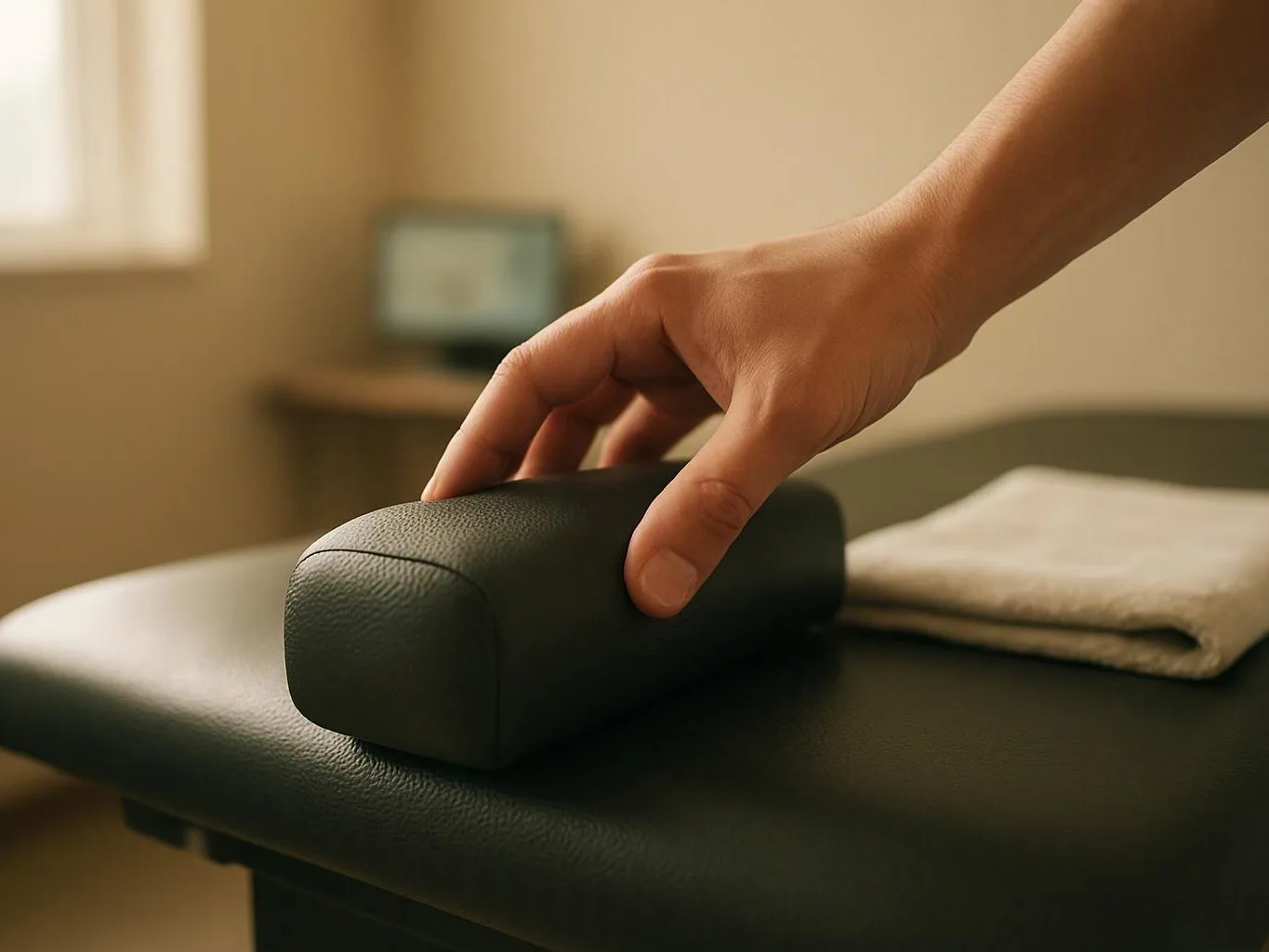
A hand places a black foam block on a padded massage table in a softly lit room
About

How cupping therapy fits a chiropractic care plan

Cupping therapy uses suction to lift the skin and underlying soft tissue gently. Patients may seek it for muscle tightness, soreness, back pain, neck pain, or movement limits. The first step is a health history review and assessment. We ask about your concerns, goals, and physical needs, then discuss whether cupping fits your care plan. Treatment may stand alone within the visit or support hands-on chiropractic techniques and corrective exercises. Our team takes a cautious approach to risks and failure points. Excess suction, poor placement, or treatment on unsuitable skin can increase discomfort or leave marks. We check the treatment area, explain expected skin changes, and discuss aftercare before proceeding. Cupping therapy isn't a cure for every pain source. Results vary, and recurring symptoms may call for broader chiropractic care, stretching guidance, or progress review.

What Cupping Therapy Covers

Cupping therapy is a hands-on treatment that uses suction on the skin to support soft tissue comfort and movement.

  • Cupping therapy differs from a spinal adjustment because it targets soft tissue response, while an adjustment addresses joint and spinal movement.
  • Cupping therapy at our Albany clinic forms part of an individualized chiropractic care plan after we review patient history and physical needs.

What to prepare before cupping therapy

A short discussion before treatment helps us check fit, comfort, and safe placement.

  • Share your main pain, tightness, or movement concern.
  • Bring a list of current health concerns and treatments.
  • Tell us about skin sensitivity or areas that feel tender.
  • Wear clothing that allows access to the planned treatment area.
  • Ask questions about suction, skin marks, and aftercare before treatment starts.
Process

What happens during a cupping therapy visit

1

Health history and concern review

We discuss your symptoms, health goals, and physical needs so the treatment plan addresses the right concern.

2

Suitability assessment

We assess the area and consider whether suction-based soft tissue care fits your broader chiropractic approach.

3

Cup placement and treatment

We place cups on selected skin areas and use controlled suction as part of the planned treatment.

4

Aftercare discussion

We explain possible skin marks, comfort changes, and practical aftercare before you leave.

5

Progress review

We monitor your response and adjust recommendations when the treatment plan needs to change.

The Arrowhead Clinic Chiropractic - Albany Standard

Tailored Assessments

We tailor the assessment to your symptoms, skin response, movement concerns, and goals before recommending cupping therapy.

History-Based Care

We review your health history before choosing cup placement and fitting soft tissue treatment into your chiropractic approach.

Progress Monitoring

We monitor comfort, skin response, and movement changes, then adjust care recommendations when your progress calls for it.

Questions about cupping therapy, safety, and fit

Can cupping therapy support myofascial release?

Cupping therapy may support myofascial release by lifting skin and soft tissue with controlled suction. It doesn't replace a full assessment or address every source of pain. We review your symptoms, health history, and movement concerns first. Our team then explains whether cupping fits with hands-on chiropractic care or corrective exercises.

What should I avoid after a cupping therapy session?

Aftercare choices should follow the guidance we give for your treatment area and skin response. Cupping may leave temporary marks or tenderness, so avoid actions that increase irritation. We explain what to watch for before you leave. Tell us if discomfort worsens or your skin response concerns you.

What changes the cost of cupping therapy?

Treatment cost depends on the care plan, assessment needs, and whether related chiropractic services are included. We don't publish a price here. A free consultation lets us discuss your concerns and explain the recommended care before you decide. Ask which services the proposed plan includes.

Who provides cupping therapy at this clinic?

Arrowhead Clinic Chiropractic - Albany provides cupping therapy within its chiropractic services. We review your health history and physical concerns before recommending treatment. The plan may include hands-on techniques, stretching guidance, or corrective exercises when those options fit your needs. Individual response differs, so we monitor progress.

Can cupping therapy help with neck or back tightness?

Neck or back tightness may be appropriate for cupping therapy after an assessment confirms the treatment fits. Tightness can involve soft tissue, joints, or daily movement patterns. We review the concern and discuss a personalized plan. Cupping may support comfort, but results vary between patients.

What happens if cupping therapy leaves too much soreness?

Excess soreness calls for a review of the skin response, placement, and treatment plan. We explain expected tenderness before treatment and monitor your progress afterward. Contact the clinic to discuss a concerning response. Our team can adjust care recommendations when appropriate.

Do I need a referral before asking about cupping therapy?

A referral isn't listed as a requirement for discussing cupping therapy with our clinic. We begin with your concerns, health history, and physical needs. Our licensed chiropractic professionals explain care options clearly. Ask about a free consultation if you want to review treatment fit first.

Key Points About Cupping Therapy

  • Cupping therapy uses suction to support soft tissue comfort and movement.
  • A health history review guides treatment fit and placement.
  • Skin sensitivity and treatment-area comfort affect planning.
  • Cupping therapy may support, but doesn't replace, broader chiropractic care.
  • Progress monitoring helps us adjust recommendations when needed.

Also Offering Cupping Therapy

Contact

Discuss cupping therapy in Albany

Get a treatment plan that addresses your muscle tension, soreness, or movement concern. Arrowhead Clinic Chiropractic - Albany offers free consultations and serves Albany, Dougherty County, and surrounding southwest Georgia communities.
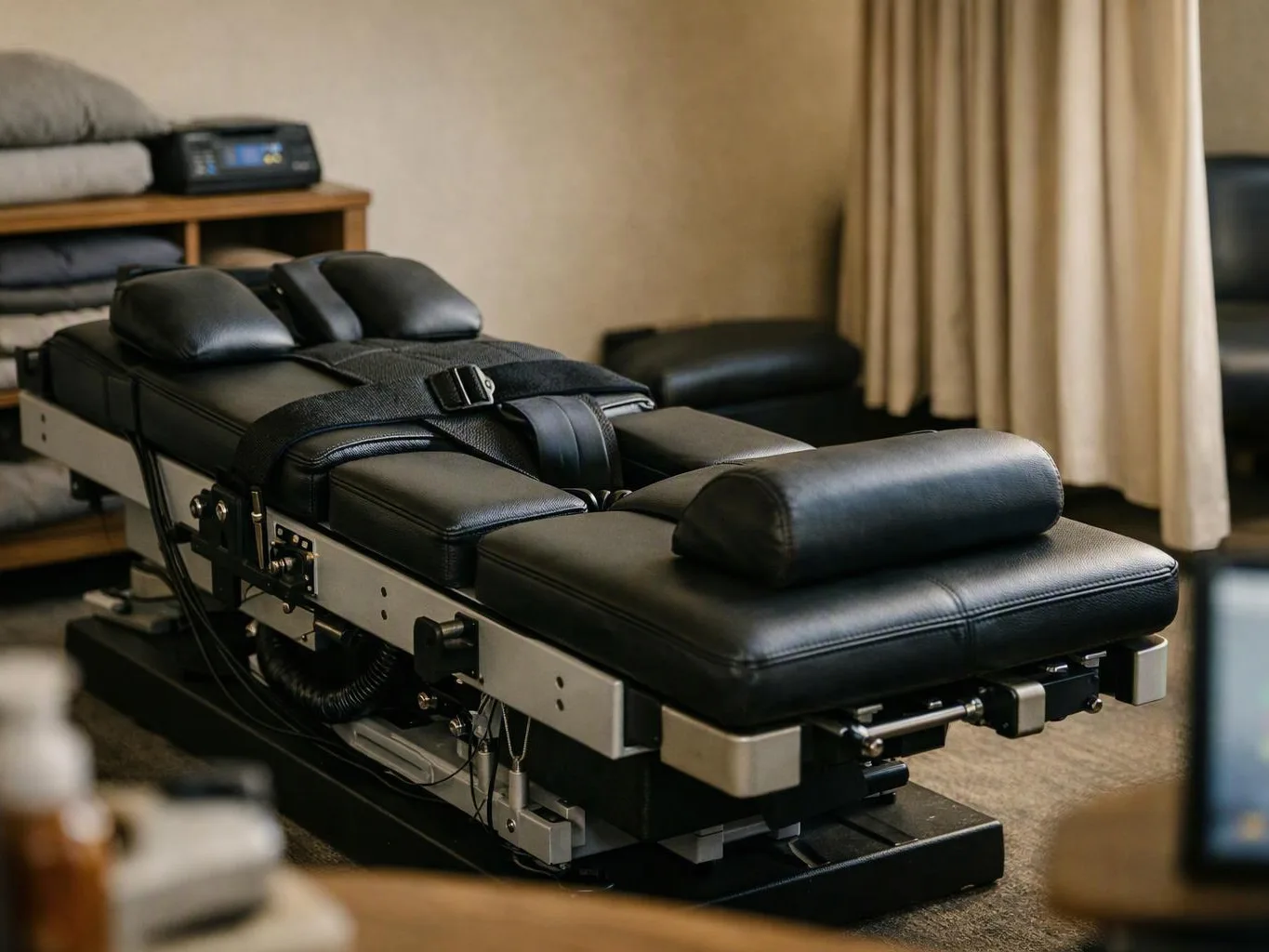
Black padded massage table with headrests sits in a quiet treatment room
Scenarios

When Customers Call Us About Cupping Therapy

1

Recurring Tightness After Work

Long workdays can leave the neck, shoulders, or back feeling tight, especially when the same movements repeat. Cupping therapy may support soft tissue comfort, but the main concern still needs an assessment. Bring your symptom history and explain which activities make movement harder. We’ll discuss treatment fit, hands-on care, and simple stretching guidance during the consultation.

2

Soreness After Athletic Activity

Sports activity can leave muscles sore, tender, or less flexible. Cupping therapy may be considered when soft tissue discomfort affects movement, but treatment must match the area and your health history. Tell us what activity led to the soreness and whether symptoms are changing. We’ll check the concern and explain a suitable care path before treatment.

3

Concern About Skin Marks

Some people ask about cupping therapy because they’re concerned about visible skin changes afterward. Suction can leave temporary marks or increase tenderness, so your comfort and skin response matter during planning. Discuss skin sensitivity before the visit. We’ll explain placement, expected aftercare, and when to report a concern during follow-up.

Our Other Services

Chiropractic AdjustmentBack stiffness and restricted movement can make ordinary tasks uncomfortable. Chiropractic adjustments address spinal joints and alignment, helping improve mobility while supporting comfort during walking, lifting, and daily activity.
Spinal Decompression TherapyBulging discs and persistent lower-back pressure can limit sitting, standing, or sleep. Spinal decompression therapy uses controlled table-based traction to reduce spinal loading and support easier movement.
Manual TherapyTight muscles and stiff joints often make movement feel guarded or painful. Manual therapy uses hands-on soft-tissue work and joint mobilization to improve flexibility around the neck, back, shoulders, or hips.
Dry NeedlingTrigger points can keep a tight muscle painful even after rest. Dry needling targets specific muscle bands with fine needles, helping release tension and improve movement in affected areas.
Neck Pain TreatmentNeck pain can make driving, working at a screen, or turning your head difficult. Care may address cervical joints, muscle tension, and posture to support comfortable movement and daily function.
Sciatica TreatmentSciatic pain may travel from the lower back through the buttock and leg. Treatment examines lumbar movement, hip mechanics, and nerve irritation to help reduce leg symptoms and restore walking comfort.

The health and wellness information on this website is for general informational purposes only and is not medical advice. It does not create a provider-patient relationship. Always consult a qualified licensed provider in Albany, Georgia, United States about your specific condition before making care decisions. Individual results vary.

(229) 303-4811