
What Is a Growth Plate?
A growth plate is a zone of developing cartilage near the ends of certain bones in children and adolescents. Also called a physis, a growth plate supports lengthwise bone growth before gradually becoming solid bone. Its location and status change as a young person matures, so age and development guide interpretation.
Quick Facts About Growth Plate
Category
Skeletal growth structure
Used for
Understanding developing bones
Common confusion
Confused with a joint or fracture
Also called
Epiphyseal plate, Physis
Often discussed with
Pediatric Chiropractic Care
Key Takeaways About Growth Plate
- Growth plates contain cartilage, not fully hardened bone.
- Their status reflects a child’s stage of skeletal development.
- A growth plate is not the same as a joint surface.
How Growth Plate Works
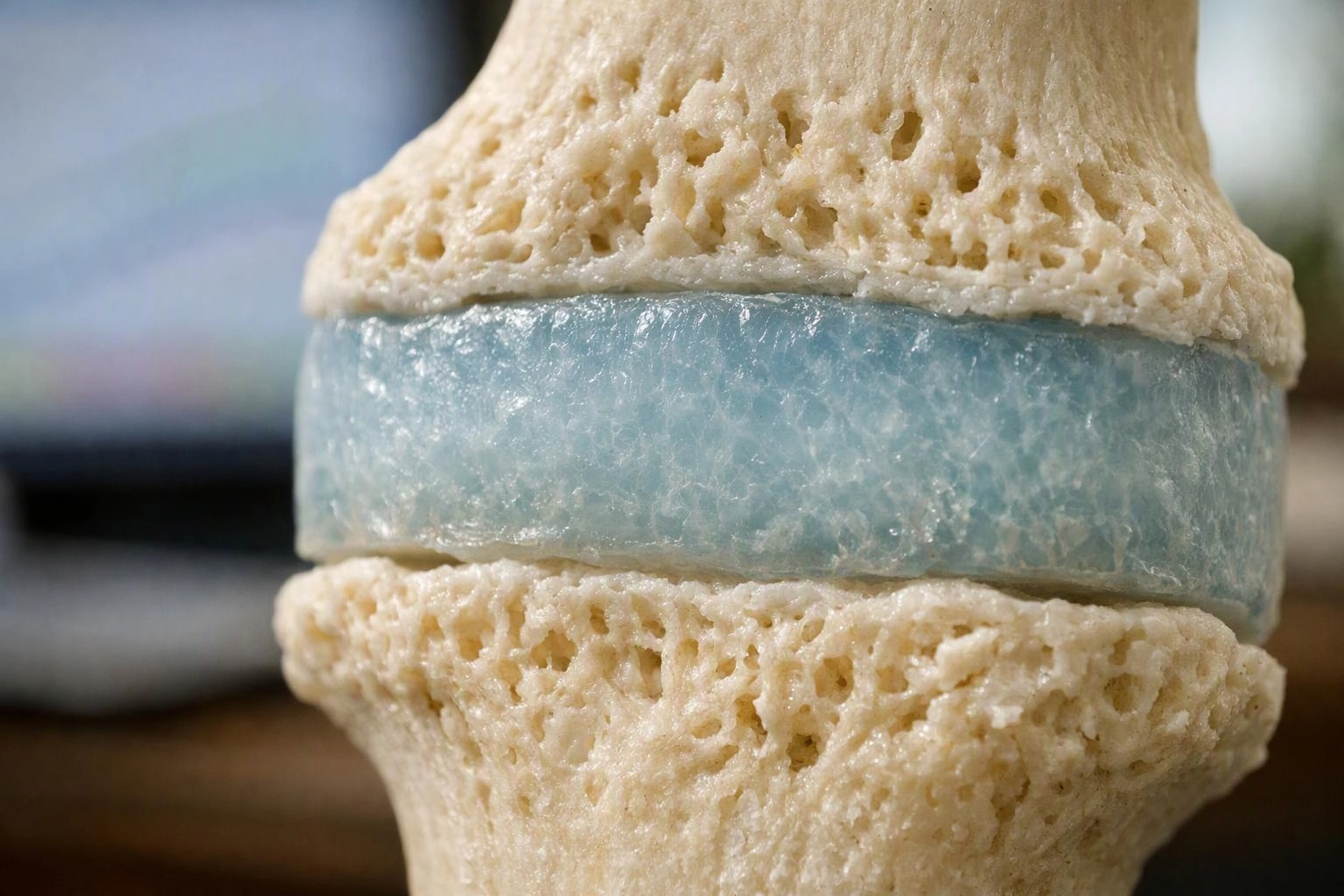
A growth plate is a cartilage area near a developing bone’s end that supports lengthwise growth. Cartilage cells form layers, and the body gradually replaces older cartilage with stronger bone. This process lets the bone extend while the surrounding tissues adapt.
Related glossary terms: Vertebra, Range Of Motion, Joint Mobilization.
Growth plates appear in many long bones, including those in the arms and legs. A physis is another name for a growth plate. Its condition can look different from nearby bone on an image, and interpretation depends on the child’s age, development, symptoms, and injury history.
In pediatric chiropractic care, the growth plate helps clinicians keep a child’s developing skeleton in context. A growth plate is not the same as a joint surface, which connects neighboring bones and permits movement.
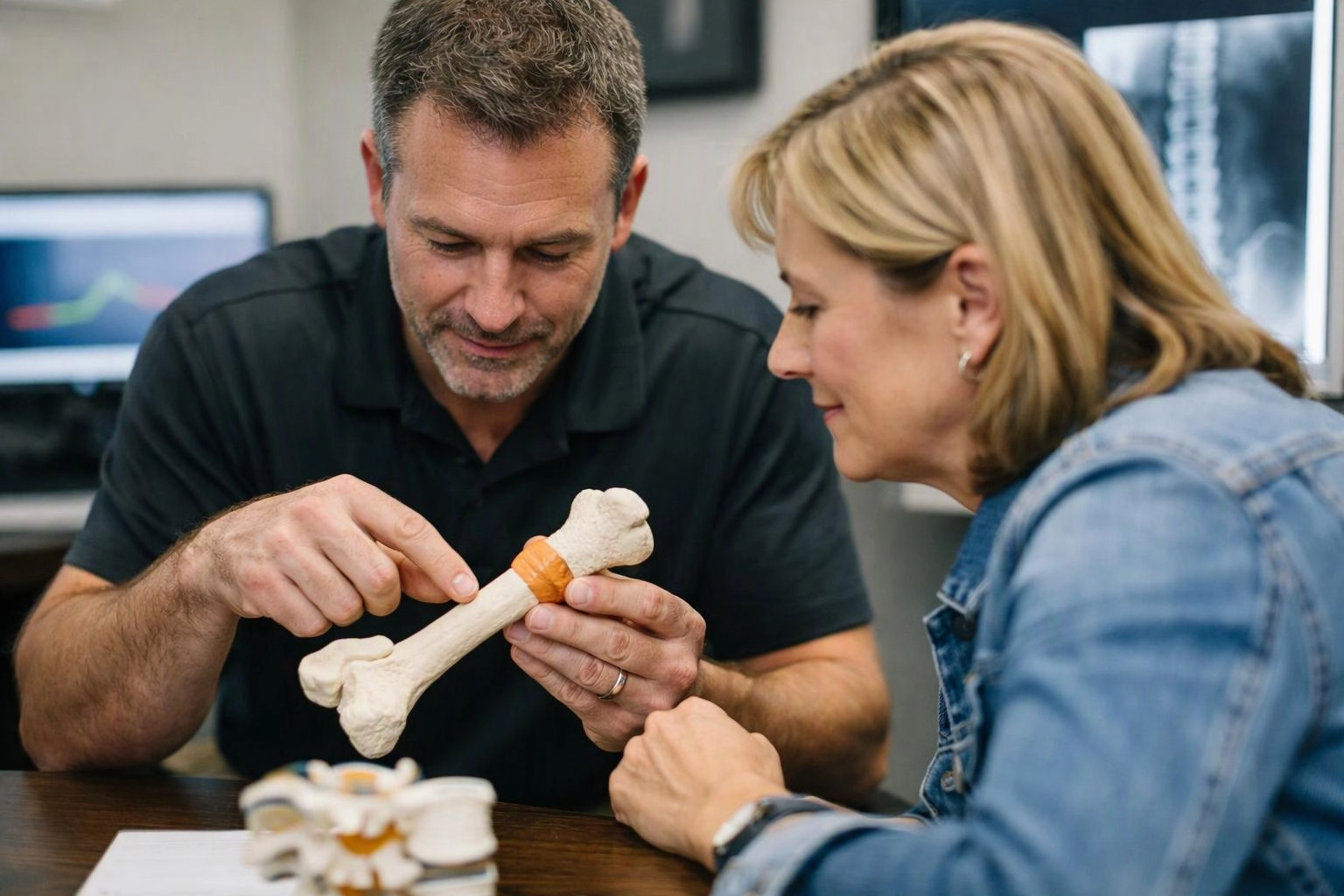
From the Arrowhead Clinic Chiropractic - Albany team
When we evaluate a child, we consider growth and development alongside movement, posture, and the reported concern. We use gentle, age-appropriate examination methods and do not treat a growth plate as a joint. If imaging or a suspected injury raises a concern, we coordinate appropriate medical evaluation.
Growth Plate in Practice: A Real-World Example
A child with discomfort after a fall may have tenderness near the end of a growing bone. During pediatric chiropractic care, we consider the growth plate’s location when examining nearby movement and deciding whether the concern needs medical imaging or referral.
Related Services
Related Terms
Vertebra
A vertebra is one individual bone in the spinal column. Vertebrae connect with neighboring bones through…
Range Of Motion
Range Of Motion is the available movement at a joint or body region. It describes how…
Joint Mobilization
Joint mobilization is a manual therapy technique that uses controlled, repeated movements to influence how a…
Manual Muscle Testing
Manual Muscle Testing is a clinical assessment that examines muscle strength through controlled movement against the…
Arrowhead Clinic Chiropractic - Albany
Have Questions About Growth Plate?
Contact Arrowhead Clinic Chiropractic - Albany for practical guidance on Growth Plate and related chiropractor work in Albany.