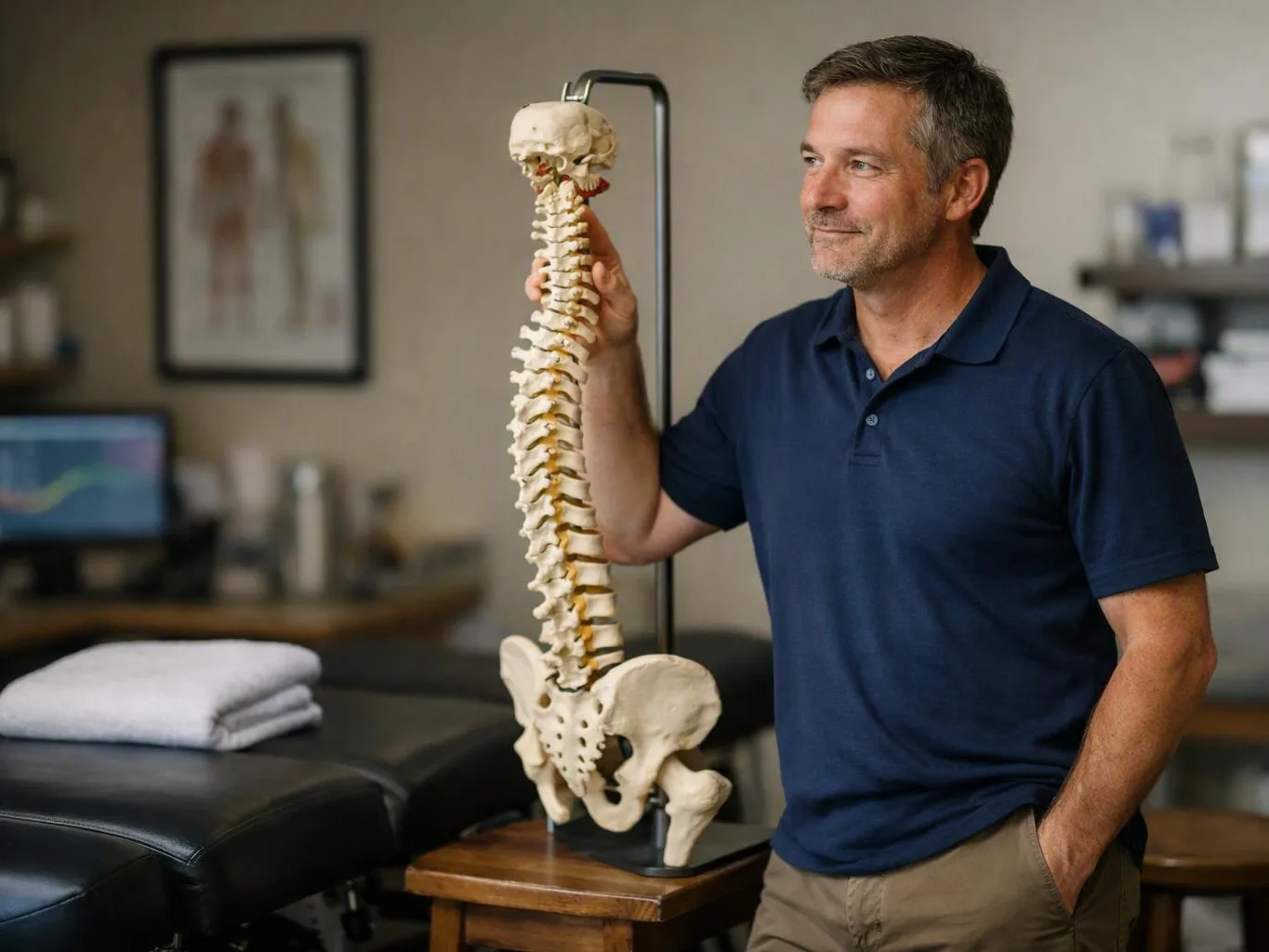
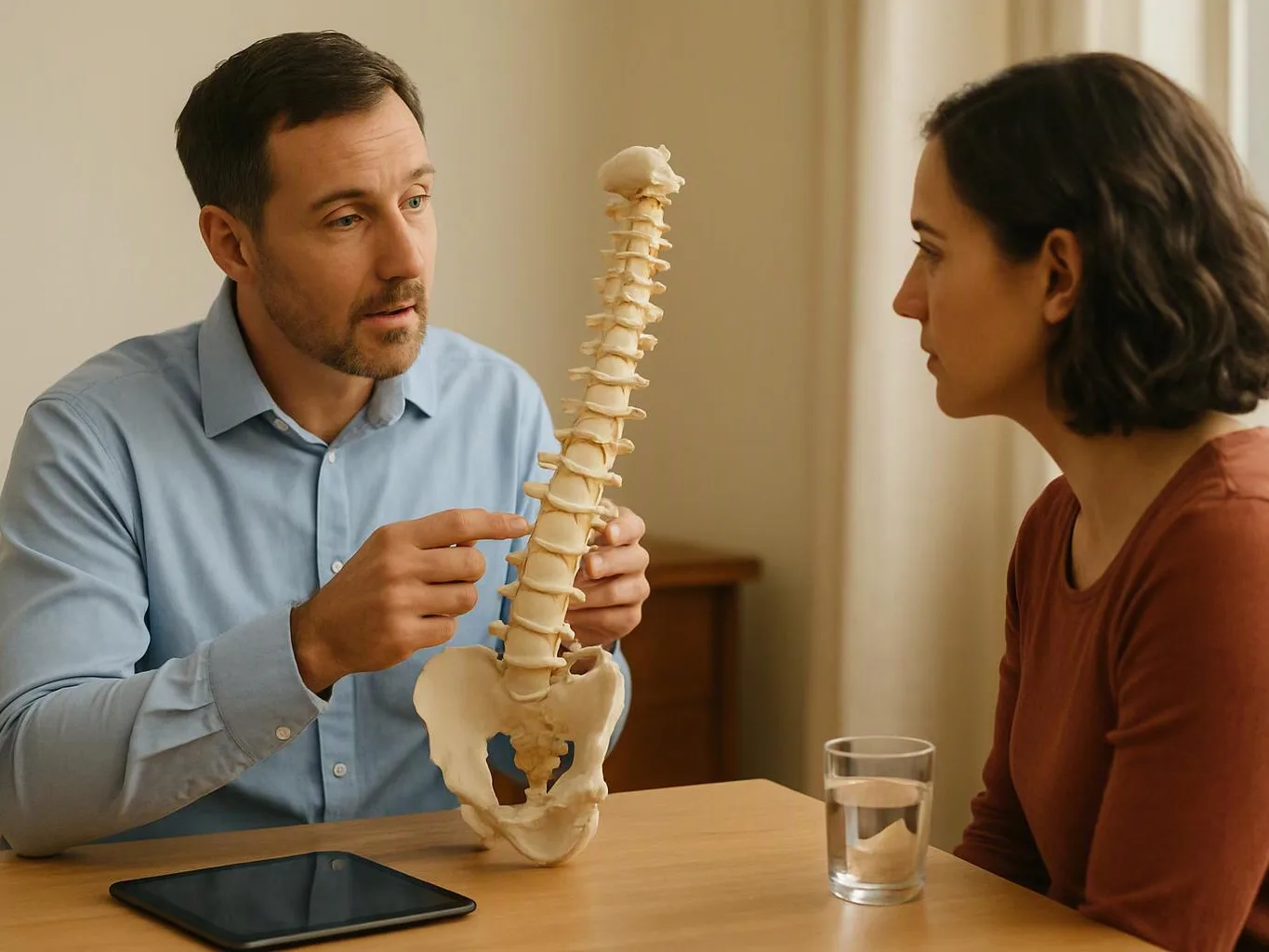
Whiplash Treatment After an Auto Accident: When Chiropractic Care Fits
Whiplash treatment after an auto accident may include chiropractic care when an evaluation shows that gentle, individualized care fits the symptoms and recovery needs; Arrowhead Clinic Chiropractic - Albany assesses the injury, explains the care plan and coordinates next steps when additional medical attention is needed.
Request an Estimate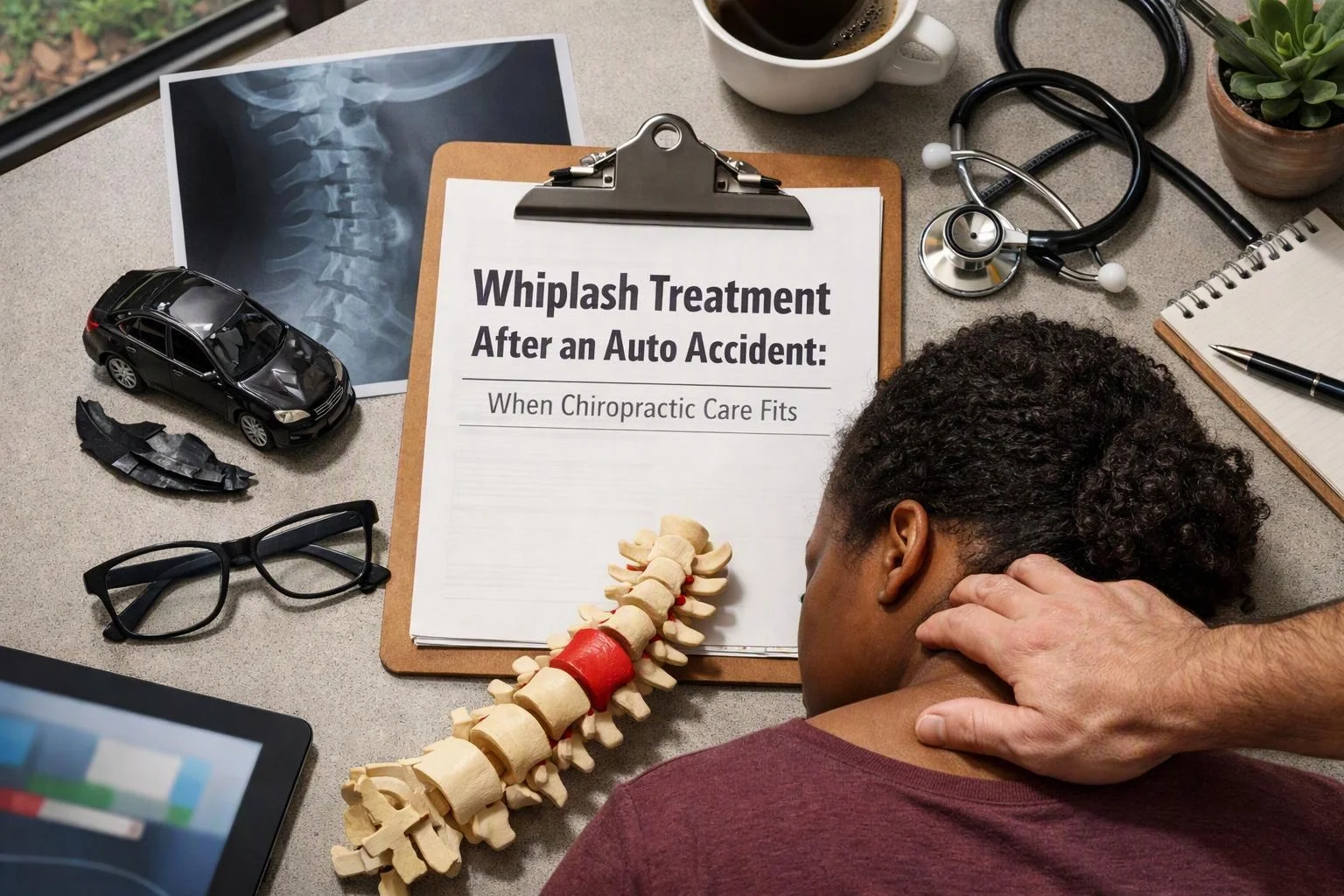
When Chiropractic Care Fits Whiplash After a Car Accident
Chiropractic care fits when an examination supports conservative care and no sign requires urgent medical evaluation.
Whiplash is a neck injury that can affect the cervical spine, neck muscles and ligaments after a sudden force. A car accident can cause neck pain, neck stiffness, tenderness, headache and restricted movement.
Our injury evaluation connects the accident history with your current symptoms and movement. We use those findings to decide whether gentle care belongs in your recovery plan.
What We Check Before Chiropractic Treatment
Our team checks the accident history, symptoms, movement and warning signs before recommending chiropractic treatment.
We ask about the injury mechanism, including the direction and force of the collision. We also review when neck pain began, how symptoms change and whether a prior neck problem affects your care.
Our physical examination considers range of motion, tenderness, posture and related muscle strain or ligament strain. We screen for neurological symptoms such as numbness, weakness or changes that may require medical evaluation.
When Whiplash Treatment and Auto Accident Care Belong Together
Whiplash treatment and auto accident injury treatment work together when neck symptoms occur alongside related musculoskeletal injuries.
One collision can affect several connected areas. We consider the full symptom pattern so care does not focus on neck pain while overlooking the shoulders, upper back or lower back.
How Chiropractic Care and Whiplash Treatment Work Together
Chiropractic care and whiplash treatment work together through an assessment-led plan that connects examination, appropriate hands-on care and progress review.
Our team evaluates the neck and related areas before selecting an appropriate chiropractic adjustment or other treatment approach. Treatment sequencing depends on the examination findings and your symptom response.
The total cost depends on the services, examination findings and care plan. Our Free Consultations help explain what the recommended care includes.
When Whiplash Symptoms Need Medical Attention First
Urgent medical evaluation comes first when whiplash symptoms include serious warning signs such as loss of consciousness, new weakness or severe neurological changes.
Concussion symptoms may include confusion, unusual drowsiness, balance changes or problems with memory after the collision. Loss of consciousness, numbness, weakness or a severe headache also needs prompt medical attention.
We do not begin conservative care when the examination points to a condition that needs urgent assessment. We coordinate next steps when additional medical attention is needed.
What to Expect From an Auto Accident Chiropractic Evaluation
An auto accident chiropractic evaluation connects the collision history and examination findings to a safe, individualized care plan.
Our evaluation focuses on how the accident affected your movement and symptoms. We explain each finding in plain language before discussing treatment suitability.
How to Decide Whether Chiropractic Care Is Right for Your Whiplash
Chiropractic care is a reasonable option to discuss when the symptom pattern supports conservative treatment and the evaluation does not identify a reason for urgent medical care.
Your patient goals, symptom pattern and comfort with conservative care all matter. We use those details with the examination findings to discuss treatment suitability.
Recovery monitoring helps us track symptom progression, range of motion and daily activity. Care coordination helps connect our plan with medical evaluation when your symptoms call for additional attention.
Questions to Ask About Whiplash Care After an Accident
Questions about treatment goals, the care plan and follow-up evaluation help you understand how our recommendations fit your symptoms.
Ask which findings support a chiropractic adjustment, how symptom monitoring will guide follow-up care and which services are included in the recommended plan. You can also ask which examination findings and services drive the cost and how to obtain an exact quote from us.
Our team can explain how chiropractic treatment relates to soft tissue care and therapeutic exercise. We can also describe how care coordination works if another medical evaluation becomes appropriate.
Questions About Whiplash Care After an Auto Accident
Can chiropractic care help whiplash after a car accident?
Yes, chiropractic care can help whiplash after a car accident when an evaluation supports conservative treatment and no urgent warning sign is present. Arrowhead Clinic Chiropractic - Albany reviews the injury, explains treatment suitability and monitors your response.
What should I bring to a chiropractic appointment after an auto accident?
Bring available accident details, medical evaluation records and a list of symptoms, medications and activities that change your pain. These details help our team connect the collision history with the injury evaluation.
Can whiplash cause shoulder and upper-back pain?
Yes, whiplash can occur with shoulder and upper-back pain because a collision can affect connected muscles and joints. We examine related areas so the care plan addresses the full musculoskeletal injury.
What happens if symptoms appear after the accident?
Symptoms that appear after the accident should be documented and discussed during an injury evaluation. We review symptom progression and screen for warning signs before recommending care.
How does an evaluation determine whether a chiropractic adjustment fits?
An evaluation determines whether a chiropractic adjustment fits by reviewing the accident mechanism, range of motion, tenderness, symptoms and neurological screening findings. Our team uses those findings to shape a personalized care plan or coordinate additional medical attention.
Whiplash treatment starts with an evaluation that connects your symptoms to an appropriate care plan. Contact Arrowhead Clinic Chiropractic - Albany to discuss your auto accident injury and our Free Consultations.
Get a Free EstimateRelated Resources
Chiropractic Adjustment: Complete Guide to Benefits, Process, Risks, and Recovery
Everything About ItAuto Accident Chiropractic Care: Complete Guide to Injury Evaluation, Treatment, and Recovery
Why It MattersBenefits of Chiropractic Adjustments for Mobility, Comfort, and Daily Function
Why It MattersBenefits of Chiropractic Care After an Auto Accident: Safety, Recovery, and Function