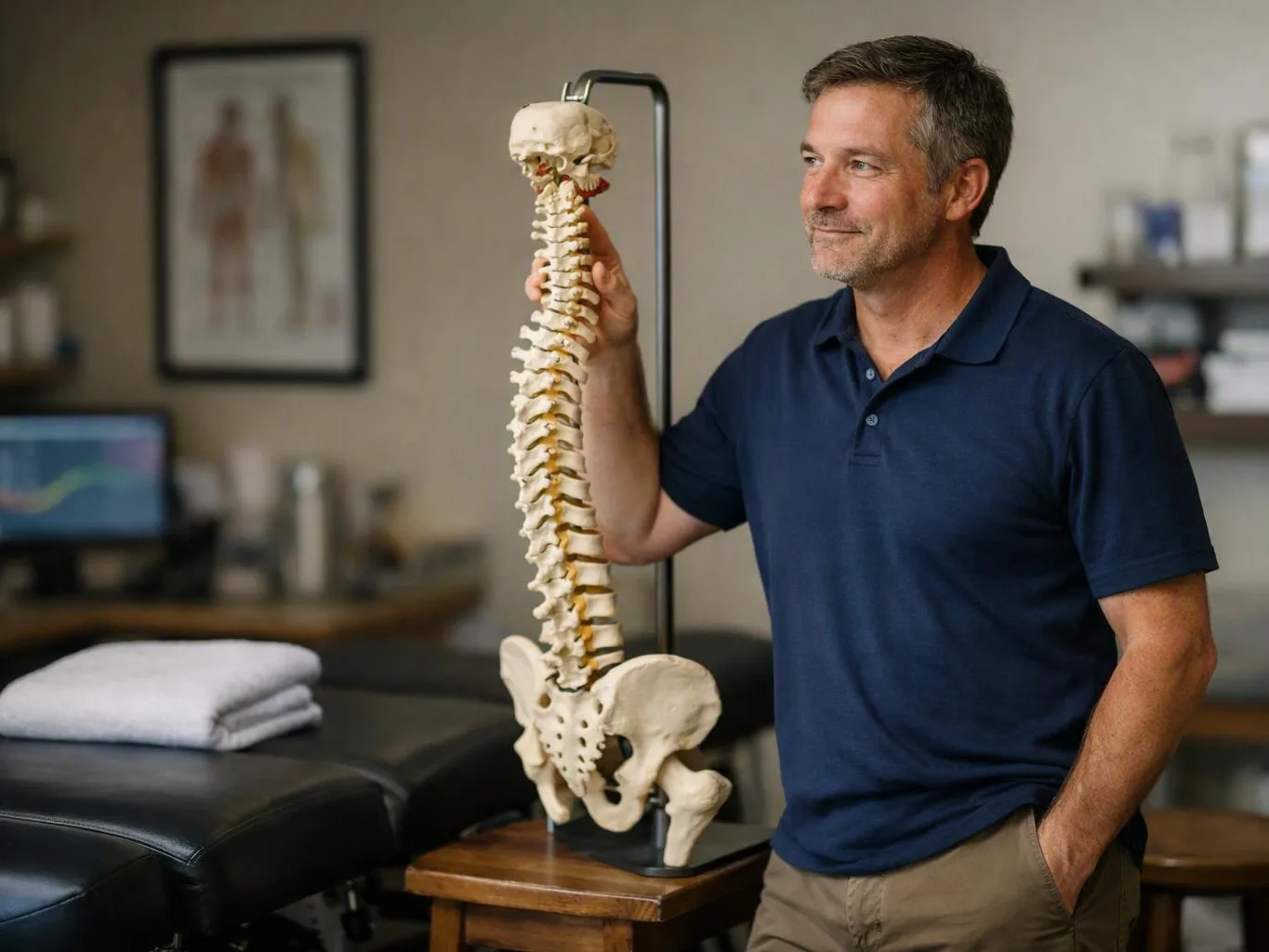
Chiropractic Adjustment: Complete Guide to Benefits, Process, Risks, and Recovery
A chiropractic adjustment is a hands-on manual therapy technique that applies controlled force to a joint to support movement and function. Arrowhead Clinic Chiropractic - Albany explains how we assess the concern, perform an adjustment, discuss potential benefits and risks, and guide recovery.
Request an EstimateWhat Is a Chiropractic Adjustment?
Chiropractic adjustment is a manual therapy technique that applies controlled force to a joint to support movement and function.
A spinal joint can become less mobile when surrounding muscles tighten or when movement habits place repeated stress on the spine. A manual adjustment uses a specific technique to support joint movement and spinal mobility.
Some adjustments use the hands, while others use an instrument-assisted adjustment. We choose the approach after reviewing your symptoms, health history, and examination findings.
What Happens During a Chiropractic Adjustment?
A chiropractic adjustment begins with an assessment, continues with a targeted manual technique, and ends with guidance for movement and recovery.
Our team explains each step and answers questions before treatment begins. The process may include the following parts:
We discuss informed consent before the adjustment. We also provide recovery guidance so you understand what movement and activity choices may support your response to care.
What Benefits Can a Chiropractic Adjustment Support?
A chiropractic adjustment may support joint mobility, reduce muscle tension, and improve functional movement when the technique matches the person’s condition.
People may seek care for back discomfort, neck discomfort, or restricted movement. We use the clinical assessment to decide whether an adjustment may support the concern.
Posture correction can also involve an adjustment when limited joint movement affects how the body rests or moves. An adjustment does not replace the movement practice, muscle work, or daily changes that may help support lasting function.
Who May Need a Different Approach?
A chiropractic adjustment is not suitable for every person, so health history, symptoms, and examination findings determine whether an adjustment is appropriate.
We take added care when someone reports a recent injury, neurological symptoms, or a history that may raise concern for fracture, infection, or osteoporosis. These findings may call for a different treatment approach or medical referral.
Tell our team about new pain, numbness, weakness, fever, unexplained symptoms, or changes in your health before care begins. We use that information to protect your safety and guide the treatment plan.
What Are the Risks and Side Effects?
A chiropractic adjustment can cause temporary soreness, tenderness, or stiffness, while serious symptoms require prompt medical attention.
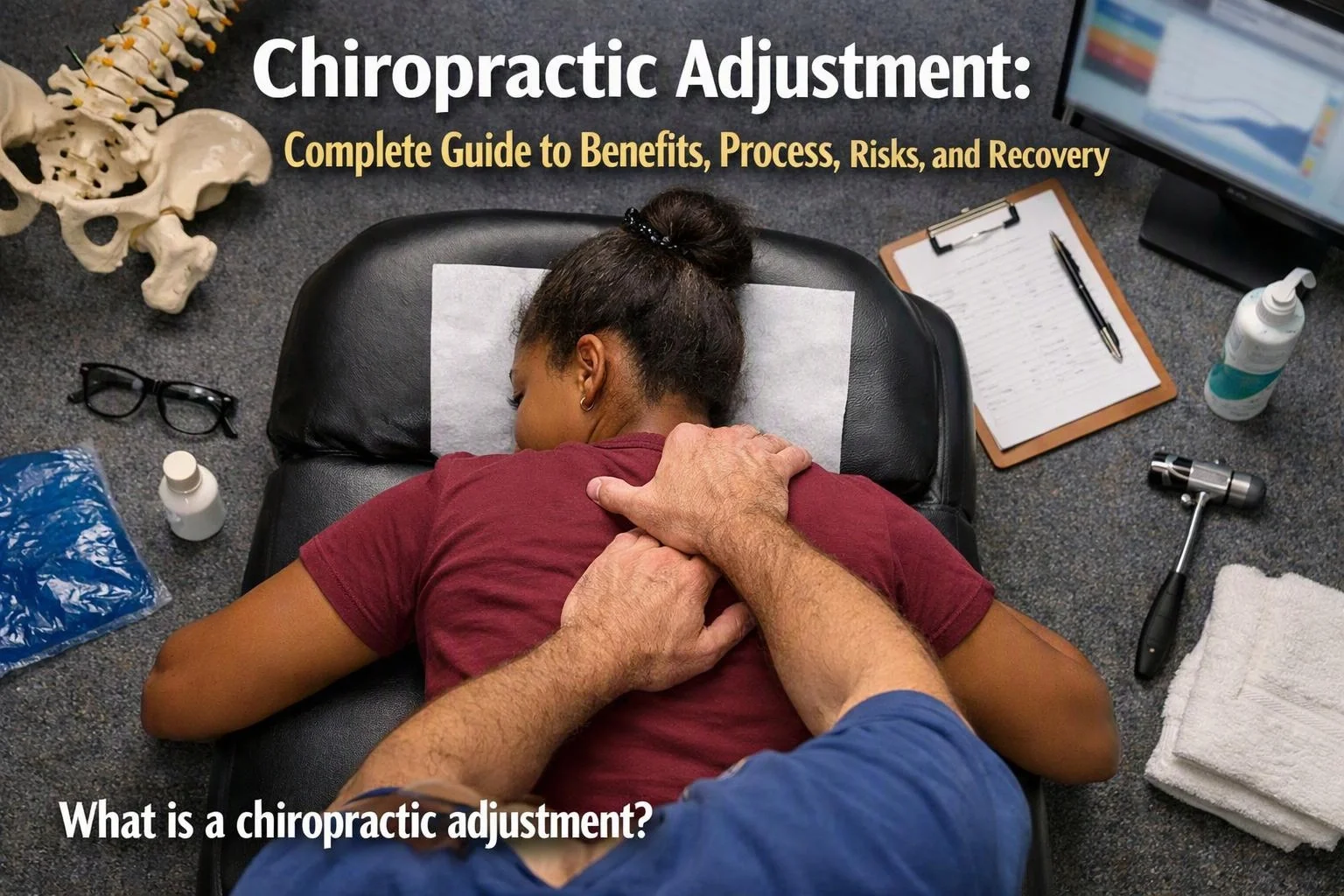
Some people also report a headache or a short-term change in how the treated area feels. We explain possible side effects during informed consent and monitor your response to the technique.
Contact the clinic promptly about an adverse reaction or symptoms that feel severe, unusual, or different from what we discussed. Seek urgent medical care for serious or rapidly worsening symptoms.
What Is Recovery Like After an Adjustment?
Recovery after a chiropractic adjustment usually focuses on monitoring symptoms, following movement guidance, and contacting the clinic about concerning changes.
Our recovery guidance is based on your response to care and the findings from your assessment. Helpful steps may include:
Recovery guidance does not replace medical care for serious symptoms. We can help you understand whether a change in symptoms calls for follow-up with our team or medical referral.
How Does an Adjustment Relate to Posture Correction?
A chiropractic adjustment can be one part of posture correction, but lasting posture work also considers movement habits, ergonomics, and muscle function.
An adjustment may support spinal alignment and joint movement when restricted motion affects posture. Our team also looks at how you sit, stand, lift, and move during daily activities.
Muscle balance matters because tight or weak muscles can influence how the spine and other joints move. We use manual therapy alongside practical movement guidance when those factors are part of the concern.
How Arrowhead Clinic Chiropractic - Albany Plans Chiropractic Adjustment Care
Arrowhead Clinic Chiropractic - Albany plans chiropractic adjustment care around the person’s symptoms, examination findings, goals, and response to treatment.
We begin with a clinical assessment that may include health history, posture assessment, and range of motion. We then explain the treatment plan and obtain informed consent before using manual therapy.
Our team adjusts the approach when your response or examination findings change. We also provide follow-up guidance that supports safe movement, symptom monitoring, and recovery.
Questions About Chiropractic Adjustments
Does a chiropractic adjustment hurt?
A chiropractic adjustment should be discussed with Arrowhead Clinic Chiropractic - Albany if you are concerned about discomfort. Some people notice pressure or brief sensitivity during care, and temporary soreness, tenderness, or stiffness can occur afterward.
Can a chiropractic adjustment help with posture?
Yes, a chiropractic adjustment can support posture correction when restricted joint movement affects how you move or hold your body. Posture work also considers ergonomics, movement habits, and muscle function.
Can you drive after a chiropractic adjustment?
Driving after a chiropractic adjustment depends on how you feel and whether your movement and alertness are comfortable. We can discuss your response after care and advise you to avoid driving if symptoms affect safe vehicle control.
What should you tell the clinic before an adjustment?
You should tell the clinic about your health history, recent injury, medications, new symptoms, neurological symptoms, and known conditions that may affect treatment. This information helps us complete a safe physical examination and decide whether an adjustment is appropriate.
When should you contact the clinic after an adjustment?
You should contact the clinic after an adjustment when symptoms are severe, rapidly worsening, unusual, or different from the recovery guidance we provided. Serious symptoms require prompt medical attention.
Arrowhead Clinic Chiropractic - Albany can review your symptoms, complete an assessment, and explain whether chiropractic adjustment care fits your needs.
Contact our team to discuss your next step.
Related Resources
Chiropractic Adjustment and Spinal Decompression: When Are Both Used?
What Goes With ItChiropractic Adjustment and Manual Therapy: How They Work Together
What Goes With ItWhiplash Treatment After an Auto Accident: When Chiropractic Care Fits
Why It MattersBenefits of Chiropractic Adjustments for Mobility, Comfort, and Daily Function