Spinal Decompression Therapy Benefits for Disc-Related Back and Leg Symptoms
Spinal decompression therapy benefits may include reduced disc-related pressure, improved movement, and less back or leg symptom irritation when the treatment matches the underlying condition; Arrowhead Clinic Chiropractic - Albany evaluates symptoms and develops a chiropractic care plan around those findings.
Request an EstimateWhat Is Spinal Decompression Therapy?
Spinal decompression therapy is a non-surgical chiropractic treatment that uses controlled unloading of the spine to address mechanical stress associated with some disc-related symptoms.
Controlled traction changes the loading placed on the spine during care. We use this approach as part of chiropractic care when the symptom pattern and examination suggest that reducing mechanical stress may help.
Spinal discs sit between the vertebrae and help the spine handle movement and load. Our team considers the discs, nerve roots, lumbar spine, and pelvis when deciding whether decompression therapy fits your needs.
How Can Spinal Decompression Therapy Benefit Back and Leg Symptoms?
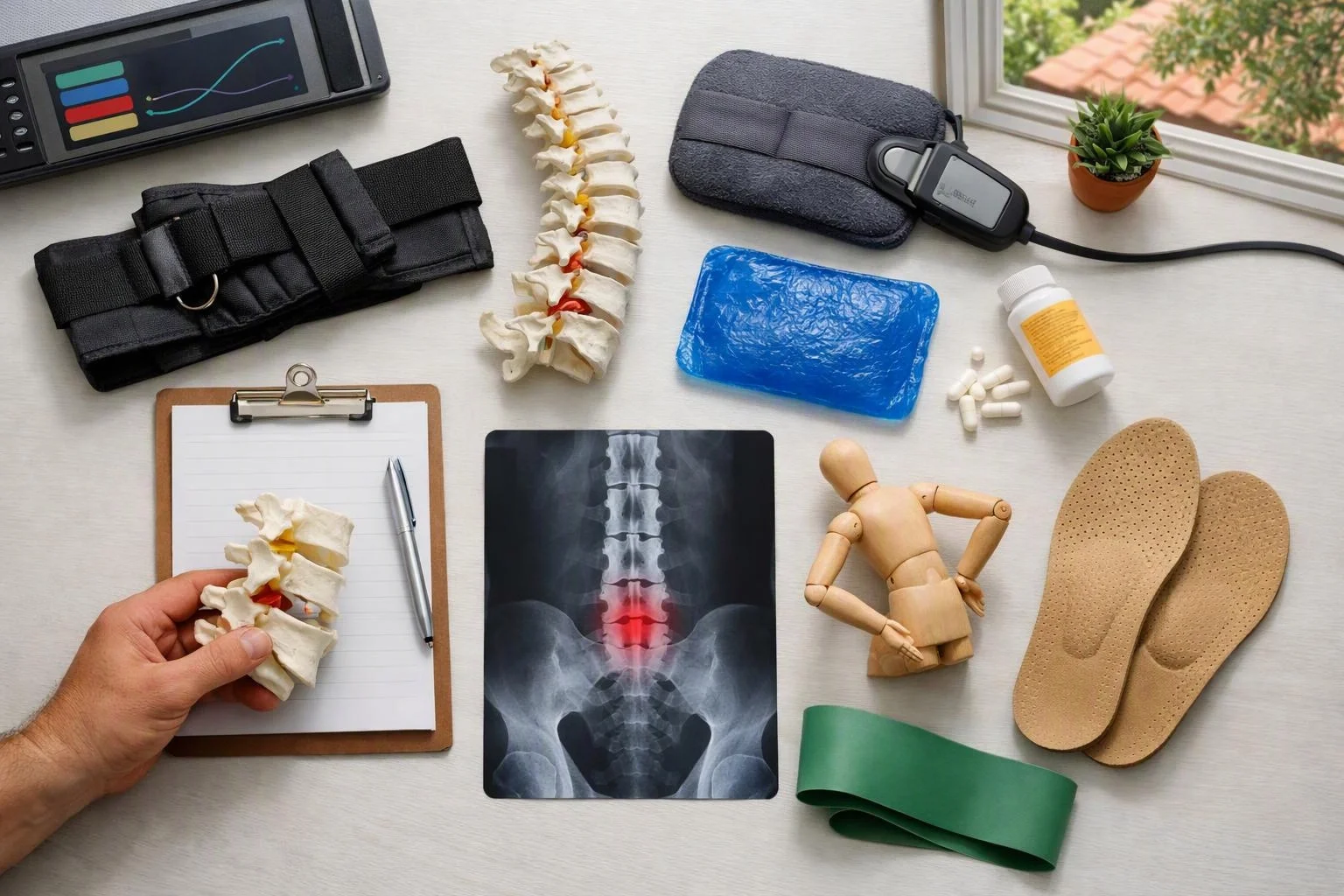
Spinal decompression therapy may benefit back and leg symptoms by reducing mechanical stress and creating conditions that support more comfortable movement, although results depend on the cause and severity of symptoms.
We connect each possible benefit to the symptoms and findings we identify during your chiropractic assessment.
| Symptom or function | How decompression may help | What affects the response |
|---|---|---|
| Disc-related back pain | Lower mechanical stress may reduce irritation linked to disc loading. | The disc condition and the source of pain matter. |
| Leg pain and nerve irritation | Reduced loading may create more comfortable conditions around an irritated nerve root. | The pain pattern and neurological findings guide care. |
| Spinal alignment and movement tolerance | Less symptom irritation may support smoother movement and better tolerance for daily activity. | Movement limits, muscle guarding, and treatment response affect progress. |
Reduced Disc-Related Pressure
An intervertebral disc can become painful when changes in its structure increase local mechanical stress. A herniated disc or bulging disc may also irritate nearby tissues.
Spinal decompression uses controlled spinal unloading to change how force is placed through the spine. We use that mechanical goal to support care when disc pressure appears connected to the symptoms.
Less Irritation Around a Pinched Nerve
A pinched nerve can involve irritation near a nerve root as it leaves the spine. That irritation may contribute to radiating leg pain, numbness, or tingling.
We review the location and behavior of these symptoms before using decompression therapy. Reducing mechanical stress may help create more comfortable conditions around the affected nerve, but the cause of the irritation remains the key treatment factor.
Improved Comfort During Movement
Improved movement comfort is a possible benefit when symptoms limit range of motion or cause muscle guarding. Movement tolerance can improve when the irritated area is exposed to less mechanical stress.
Our team uses your response to movement and functional activity to guide treatment progression. We adjust the plan when your symptoms show that another approach is needed.
Which Disc-Related Conditions May Respond to Spinal Decompression?
Spinal decompression therapy may be considered for disc-related conditions such as herniated discs, bulging discs, sciatica, and nerve irritation when clinical findings support that approach.
A herniated disc can affect nearby nerve tissue, while a disc bulge may create mechanical stress without causing the same symptom pattern. Sciatica describes radiating symptoms along the sciatic nerve and can have more than one cause.
Degenerative disc changes may also affect how the spine handles movement and load. We assess whether a pinched nerve, disc herniation, or another source best explains your symptoms before building a care plan.
How We Determine Whether Spinal Decompression Fits Your Symptoms
Arrowhead Clinic Chiropractic - Albany determines whether spinal decompression fits by reviewing symptom patterns, examining spinal and neurological function, and matching care to the suspected source of irritation.
Our process keeps the treatment plan connected to your findings rather than applying decompression to every case of back or leg pain.
What Does a Spinal Decompression Treatment Plan Include?
Our treatment planning includes Free Consultations, an individualized review of your symptoms, and ongoing decisions based on how your body responds to care.
A spinal decompression session may be adjusted according to your comfort, examination findings, and treatment response. We use gradual treatment progression when the clinical picture supports it.
Our team also considers supportive chiropractic care that may improve movement and reduce strain during daily activities. The treatment plan changes when your symptom response shows that your needs have changed.
When Should Back or Leg Symptoms Receive Further Evaluation?
Back or leg symptoms warrant further evaluation when they persist, spread along a limb, or include neurological changes that may indicate nerve involvement.
We use these warning signs to decide how promptly your symptoms need review and whether spinal decompression is appropriate.
How Can You Start Discussing Spinal Decompression Therapy?
You can start by discussing your back or leg symptoms with Arrowhead Clinic Chiropractic - Albany so our team can assess whether spinal decompression therapy is appropriate for your condition.
We can review concerns related to herniated disc treatment, sciatica treatment, or pinched nerve treatment during a chiropractic consultation. Bring a clear description of your pain pattern, numbness, tingling, and movement limits so we can connect your symptoms to the examination findings.
Use our contact page to request a consultation and discuss the next step for individualized chiropractic care.
Questions About Spinal Decompression for Back and Leg Symptoms
Is spinal decompression therapy safe for herniated discs?
Spinal decompression therapy may be appropriate for some herniated discs when Arrowhead Clinic Chiropractic - Albany finds that the examination supports controlled unloading. We first review symptoms, neurological function, and the suspected source of irritation.
Can spinal decompression therapy help sciatica symptoms?
Yes, spinal decompression therapy may help sciatica symptoms when disc-related mechanical stress or nerve irritation contributes to the radiating pain. The cause of sciatica determines whether decompression belongs in the treatment plan.
Can spinal decompression therapy help a pinched nerve?
Spinal decompression therapy may help a pinched nerve when mechanical stress contributes to irritation near the nerve root. We use the pain pattern and neurological screening to determine whether this approach fits.
What symptoms may indicate that disc-related leg pain needs evaluation?
Disc-related leg pain needs evaluation when pain radiates from the back, or when numbness, tingling, weakness, or changes in bowel or bladder function occur. These symptoms may indicate nerve involvement and should be assessed.
Is spinal decompression therapy appropriate for every type of back pain?
No, spinal decompression therapy is not appropriate for every type of back pain. The suspected cause, symptom pattern, examination findings, and neurological status determine whether decompression is a suitable option.
Related Resources
Chiropractic Adjustment and Spinal Decompression: When Are Both Used?
Everything About ItSpinal Decompression Therapy: Complete Guide to How It Works, Candidates, and Alternatives
Brand vs BrandChoosing a Chiropractor in Albany: What to Compare Before You Book
Brand vs BrandComparing Chiropractic Care Plans: Visit Recommendations, Reassessment, and Cost Clarity