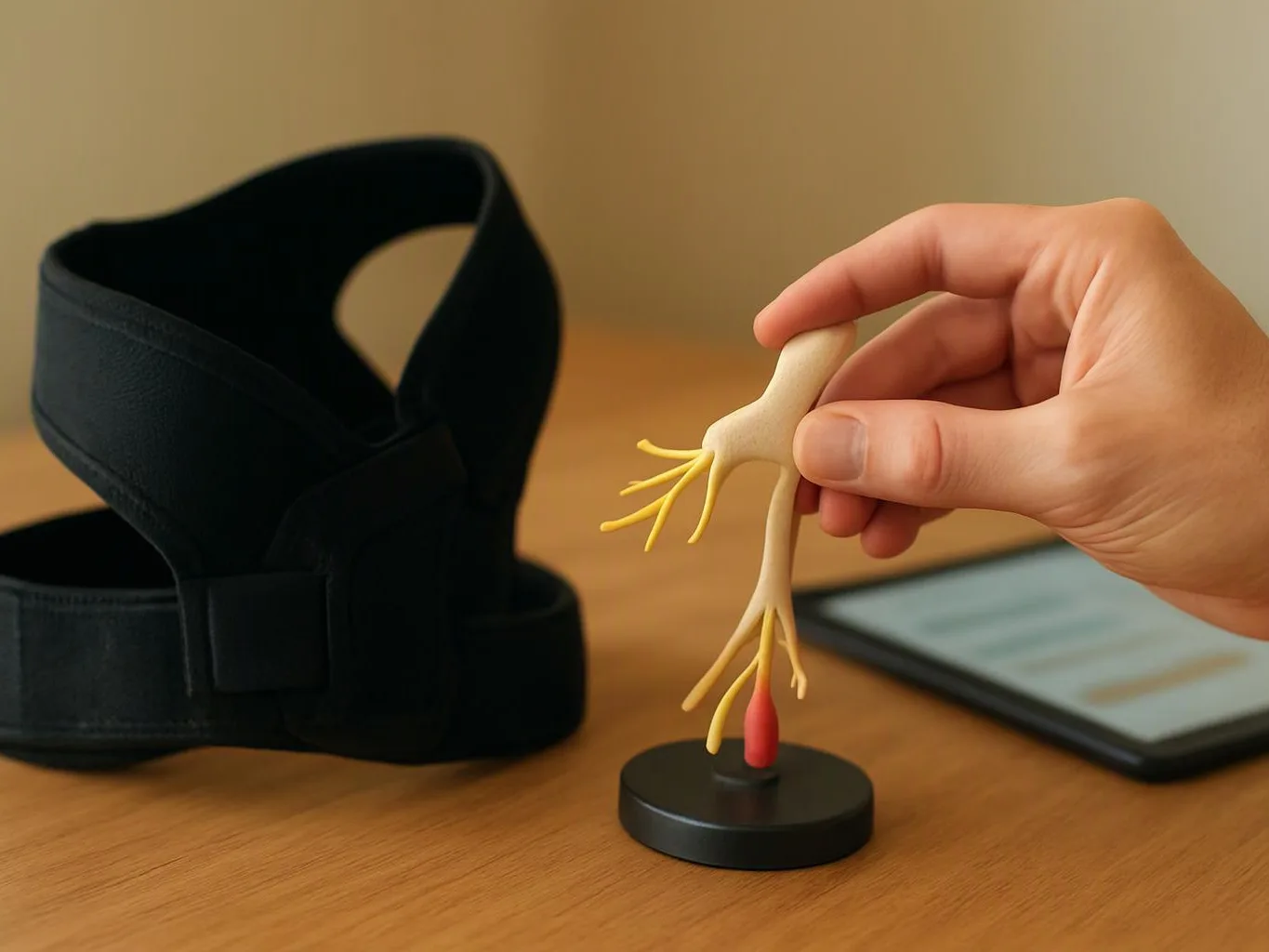
Comparing Chiropractic Care Plans: Visit Recommendations, Reassessment, and Cost Clarity — Albany, Georgia
Chiropractic treatment plans are compared by visit recommendations, reassessment, treatment scope, and cost clarity. Arrowhead Clinic Chiropractic - Albany reviews your initial evaluation, treatment goals, progress markers, insurance coverage, and out-of-pocket responsibility before explaining the recommended care and next steps.
Request an EstimateQuick Picks
Care plans can differ because patients have different symptoms, clinical findings, and functional goals. We use the presentation and response to care to guide the appropriate pathway.
How We Build a Chiropractic Care Plan in Albany, Georgia
Arrowhead Clinic Chiropractic - Albany builds a care plan from the initial evaluation, reported symptoms, clinical findings, and treatment goals. We consider whether a chiropractic adjustment may support the patient’s needs and whether the presentation calls for neck pain treatment or sciatica treatment.
Our team discusses the purpose of recommended care in plain language. We connect the plan to functional goals, symptom response, and the patient’s questions before care begins.
Patients with physically demanding work may also need a plan that considers work-related strain. We ask about work demands when they may affect symptoms or recovery decisions.
Our Chiropractic Adjustment service page provides more context about this type of care.
What a Chiropractic Treatment Plan Includes
A chiropractic treatment plan includes the care objectives, recommended services, visit recommendations, progress markers, and next-step decisions that match the patient's presentation.
Care objectives explain what the plan is meant to address. Recommended services describe the treatment scope, while visit recommendations explain the expected pattern of care without promising a universal number of visits.
Home care guidance may support the plan between visits. Progress markers can include symptom changes, movement, daily function, and findings from later clinical reviews.
When We Reassess Progress and Adjust the Plan
Reassessment occurs when the patient's symptoms, function, findings, or response to care provide enough information to review whether the current plan remains appropriate.
There is no universal visit count that determines when reassessment should happen. We use symptom changes, functional improvement, and clinical findings to decide when a progress review can guide the next step.
A care-plan adjustment may involve continuing the current approach, changing recommended services, or reviewing whether a referral evaluation is appropriate. We explain the reason for the decision so the patient understands the care pathway.
What Determines Chiropractic Treatment Plan Cost
Chiropractic treatment plan cost is determined by the services recommended, the care scope, the expected visits, insurance applicability, and the patient's out-of-pocket responsibility; Arrowhead Clinic Chiropractic - Albany offers Free Consultations to discuss the starting point.
Service selection is a major cost driver. A plan involving a chiropractic adjustment may differ from a plan that includes additional recommended services or a broader treatment scope.
Insurance coverage can affect the patient’s responsibility, but benefits and applicability depend on the individual policy. We discuss what the planned care includes and explain how to obtain an exact cost clarification before care begins.
1. Adjustment-Focused Care
Adjustment-focused care centers on chiropractic adjustment when the initial evaluation supports that approach. This option is best for patients whose treatment goals fit a focused conservative care pathway.
2. Condition-Focused Care
Condition-focused care shapes the plan around a concern such as neck pain treatment or sciatica treatment. This option is best for patients who want the care discussion tied to a specific symptom pattern and functional goal.
3. Coordinated Evaluation
Coordinated evaluation considers whether another type of assessment is appropriate when the presentation falls outside the scope of chiropractic care. This option is best for patients with symptom progression, unexpected findings, or a clinical picture that needs added review.
Arrowhead Clinic Chiropractic - Albany Compared With a Typical Provider
Comparison is most useful when it focuses on how the care plan is explained and reviewed. The table below identifies practical factors to discuss with any provider.

| Factor | Arrowhead Clinic Chiropractic - Albany | Typical Provider | Decision Focus |
|---|---|---|---|
| Scope clarity | Explains recommended services and care objectives. | May vary by office and treatment approach. | Ask what the plan includes. |
| Visit communication | Connects visit recommendations to the patient’s presentation. | Communication practices may differ. | Ask how recommendations may change. |
| Reassessment process | Reviews symptoms, function, findings, and response. | The review process may vary. | Ask what triggers a progress review. |
| Cost explanation | Discusses services, insurance coverage, and out-of-pocket responsibility. | Cost communication may differ. | Ask what the quoted care covers. |
| Accountability | Uses progress markers to guide care-plan decisions. | Follow-up methods may vary. | Ask how progress is documented. |
| Condition-specific care | Can shape discussions around neck pain and sciatica presentations. | Condition focus may vary. | Ask how the plan matches your goals. |
Questions to Ask Before Choosing a Chiropractic Care Plan
Patient questions can reveal whether the care plan is clear, measurable, and connected to your needs. These questions apply to any provider, including our team.
How We Explain the Plan and Cost Before Care Begins
Our consultation process connects the clinical discussion to recommended care and cost clarification. We use the conversation to answer patient questions before the care pathway begins.
When Another Evaluation May Be Appropriate
Another evaluation may be appropriate when symptoms progress, findings fall outside the scope of chiropractic care, or the clinical picture requires additional assessment.
Symptom progression can change the care decision. Unexpected findings can also lead us to review referral criteria and coordinate care when additional input is appropriate.
We explain the reason for a referral evaluation and how it relates to the patient’s presentation. The goal is to keep the care pathway aligned with the clinical findings.
Who This Chiropractic Care Plan Fits Best
A chiropractic care plan fits best when the recommended services match the patient’s symptoms, goals, and reassessment expectations. The following situations may benefit from a clear plan discussion.
Choosing the Next Step for Chiropractic Care in Albany, Georgia
Arrowhead Clinic Chiropractic - Albany can discuss your treatment-plan goals, cost questions, and reassessment expectations during Free Consultations. We review the starting point, explain the recommended care, and clarify how insurance coverage and out-of-pocket responsibility may apply.
Bring your patient questions and any information that may help explain your symptoms or treatment goals. Contact us to discuss the next step for chiropractic care in Albany, Georgia.
Questions About Chiropractic Plan Cost and Reassessment
What changes the cost of a chiropractic plan when insurance does not apply?
Arrowhead Clinic Chiropractic - Albany considers the recommended services, treatment scope, visit recommendations, and out-of-pocket responsibility when insurance does not apply. We explain what the care includes and how to obtain exact cost clarification before care begins.
What should I bring to a chiropractic consultation about treatment costs?
Patient questions, insurance information, and a clear description of symptoms can help guide a consultation about treatment costs. We use that discussion to connect the recommended care with insurance applicability and expected out-of-pocket responsibility.
When might chiropractic care lead to another type of evaluation?
Chiropractic care may lead to another evaluation when symptoms progress, unexpected findings appear, or the clinical picture falls outside the scope of chiropractic care. We review referral criteria and explain the coordination-of-care decision.
Related Resources
Chiropractic Adjustment and Spinal Decompression: When Are Both Used?
What Goes With ItChiropractic Adjustment and Manual Therapy: How They Work Together
What Goes With ItWhiplash Treatment After an Auto Accident: When Chiropractic Care Fits
Everything About ItChiropractic Adjustment: Complete Guide to Benefits, Process, Risks, and Recovery