Skip to content

TMJ Treatment in Albany, Georgia

We provide personalized jaw and musculoskeletal care for patients in Albany. Free consultations help you discuss symptoms and possible care options.

Licensed & InsuredUpfront, Transparent PricingServing 3 CommunitiesMon-Fri: 9 am–7 pm, Sat-Sun: Closed
TMJ Treatment helps patients in Albany address jaw tension, clicking, facial discomfort, and trouble with daily movement. Arrowhead Clinic Chiropractic - Albany begins with your concerns, health history, and physical needs, then explains suitable chiropractic care. Our approach may include hands-on adjustments, stretching guidance, corrective exercises, and lifestyle support.

What jaw care can help you manage

Better understanding of jaw movement and related muscle tension.

A care plan shaped around your health history, symptoms, and physical needs.

Practical exercises and stretching guidance for daily movement support.

Clear discussion of conservative care options before recommendations are made.

What TMJ Treatment Covers

TMJ Treatment is a hands-on care approach that assesses jaw movement, related muscles, and musculoskeletal concerns.

  • TMJ Treatment differs from a general spinal visit because the assessment focuses on jaw symptoms and their connection to nearby movement patterns.
  • Patients in Albany receive the same individualized assessment process we use for covered patients across Dougherty County and surrounding southwest Georgia communities.
Two cushioned chairs frame a wooden side table with a plant, water bottle, and notebook in a calm room
About

How jaw-focused chiropractic care works

TMJ treatment begins with a discussion about jaw symptoms, chewing comfort, movement, and related concerns. We review your health history and perform a tailored chiropractic assessment before developing recommendations. Care may include hands-on chiropractic techniques, gentle movement guidance, corrective exercises, stretching, and lifestyle advice. The exact approach depends on your physical needs and the findings from your assessment. Jaw symptoms can overlap with neck pain, headaches, and other musculoskeletal concerns. Our team explains what we find and monitors progress so recommendations can change when appropriate. Severe swelling, major trauma, trouble breathing, or new neurological symptoms need medical attention instead of routine chiropractic care.

Process

Steps from jaw assessment to care planning

1

Discuss jaw symptoms and health history

We ask about discomfort, clicking, chewing, movement, and related concerns. Your history gives us context for the physical assessment.

2

Assess jaw and musculoskeletal function

We examine the concerns that may affect jaw movement and related function. Hands-on chiropractic techniques may support the assessment and care process.

3

Review findings and care options

We explain the findings in plain language and discuss recommendations that fit your needs. Free consultations provide a starting point for that discussion.

4

Use exercises and lifestyle guidance

Care may include corrective exercises, stretching recommendations, and practical lifestyle guidance that supports movement between visits.

5

Monitor changes in symptoms

We review progress and adjust recommendations when appropriate. Ongoing concerns may call for a different care discussion or medical evaluation.

What to prepare before jaw care

A few details can help us understand your jaw symptoms and plan a focused assessment.

  • Write down when jaw tightness, clicking, or discomfort began.
  • Note whether chewing, speaking, or opening your mouth changes symptoms.
  • Bring a list of current health concerns and relevant past injuries.
  • Share any related neck pain, headaches, or movement limits during your consultation.
  • Plan to discuss your main comfort and mobility goals.

The Arrowhead Clinic Chiropractic - Albany Standard

Tailored Assessments

We tailor the jaw assessment to each patient’s symptoms, health history, movement concerns, and comfort goals.

Hands-On Techniques

We use hands-on chiropractic techniques to support jaw-related spinal and musculoskeletal function during care.

Progress Monitoring

We monitor changes in jaw movement and related symptoms, then adjust care recommendations when appropriate.

Questions about jaw-focused chiropractic care

Who provides TMJ treatment in Albany, Georgia?

Arrowhead Clinic Chiropractic - Albany provides TMJ treatment in Albany, Georgia, Dougherty County, and surrounding southwest Georgia communities. We begin with your health history and concerns, then assess jaw and related musculoskeletal function. Recommendations may include hands-on chiropractic techniques, corrective exercises, stretching, and lifestyle guidance. Individual response differs, so we monitor progress and adjust care recommendations when appropriate.

What could cause a tight or heavy jaw?

Jaw tightness may relate to TMJ dysfunction, muscle tension, neck concerns, or repeated movement habits. The symptom alone cannot identify the cause. We review your history and assess jaw and musculoskeletal function before recommending care. Severe swelling, major trauma, trouble breathing, or new neurological symptoms require medical attention.

What happens during the first jaw care visit?

The first visit begins with a discussion of your symptoms and health history. We then assess jaw movement and related musculoskeletal concerns, explain what we find, and discuss suitable recommendations. Care may include hands-on techniques, corrective exercises, stretching, or lifestyle guidance. You’ll receive a clearer view of the next step after that discussion.

What makes the cost of jaw care change?

The cost of jaw care depends on the assessment needed, the concerns discussed, and the recommendations that fit your situation. We explain care options clearly before moving forward. Free consultations offer a way to discuss your symptoms and receive information about suitable care. We don’t state a treatment price without reviewing your needs.

Can chiropractic care help jaw clicking?

Chiropractic care may help address movement and musculoskeletal factors linked with jaw clicking. Clicking with pain, catching, or limited opening deserves a focused assessment. We review the jaw alongside related neck and muscle concerns, then discuss whether hands-on care, exercises, or stretching fits your needs. Results vary between patients.

Should I seek medical care for severe jaw symptoms?

Severe swelling, trouble breathing, major facial injury, or new neurological symptoms require medical attention. Routine chiropractic care is not the right first step for those warning signs. For milder clicking, tightness, or movement concerns, we can review your health history and assess whether chiropractic care is appropriate.

Do I need a referral before discussing jaw care?

A referral is not stated as a requirement for discussing jaw care with our clinic. You can bring your symptoms, health history, and care goals to a consultation. We’ll assess whether our chiropractic services fit your concerns and explain when another type of medical evaluation is more suitable.

Key Points About TMJ Treatment

  • Jaw clicking matters more when it appears with pain or limited opening.
  • A health history review comes before individualized care recommendations.
  • Jaw symptoms can connect with neck and musculoskeletal function.
  • Exercises and stretching should fit the assessment findings.
  • Progress monitoring helps shape later care recommendations.

Also Offering TMJ Treatment

Contact

Discuss TMJ Treatment in Albany

If jaw tightness, clicking, or limited movement affects your daily comfort, Arrowhead Clinic Chiropractic - Albany can discuss your concerns in Albany. Book a free consultation during our Monday through Friday, 9 am–7 pm hours.
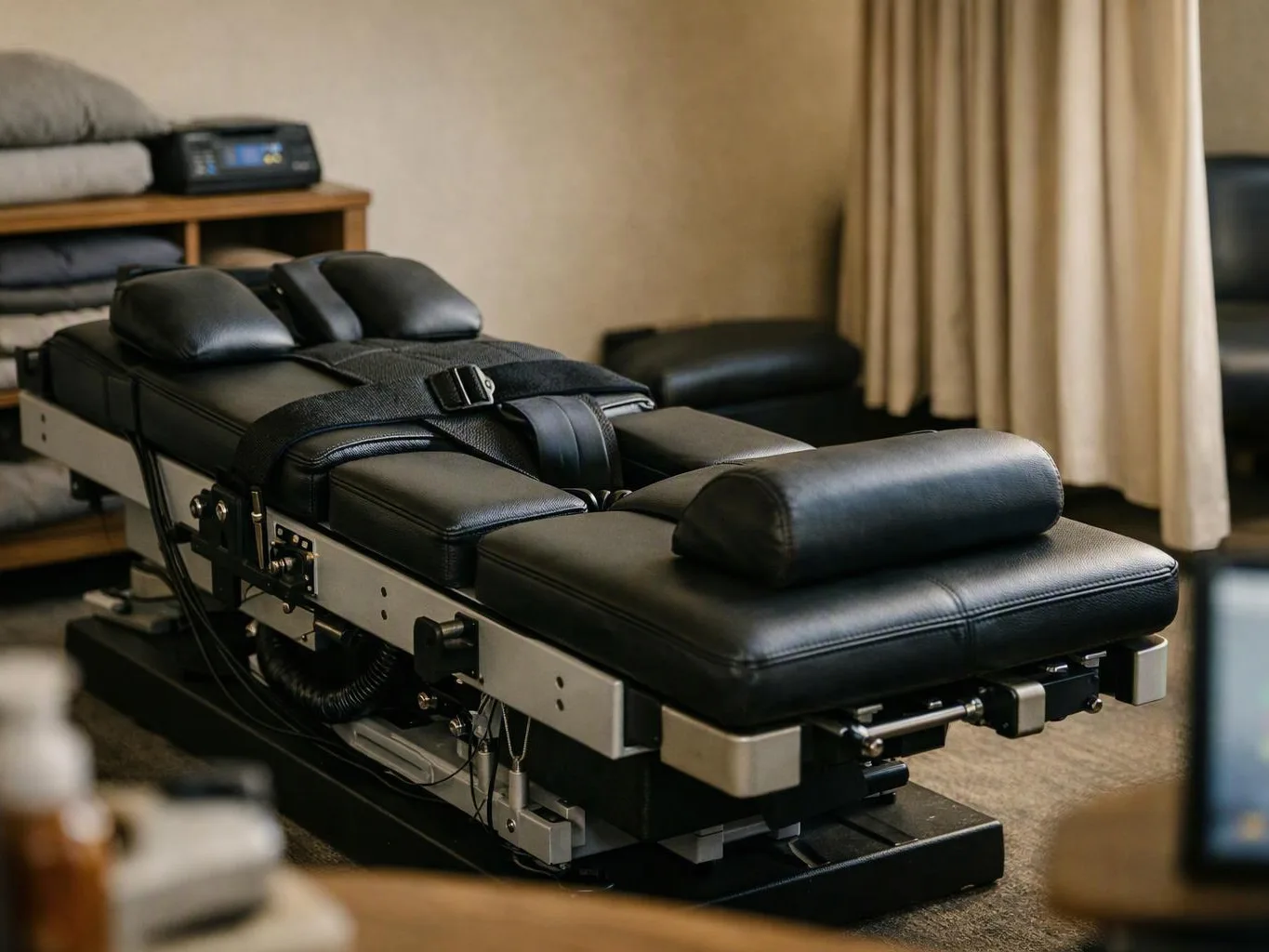
Black padded massage table with headrests sits in a quiet treatment room
Scenarios

When Customers Call Us About TMJ Treatment

1

Jaw Tightness During Daily Eating

Jaw tightness can make chewing feel tiring, especially when discomfort builds during normal meals. The key detail is whether clicking, limited opening, neck tension, or headaches appear with it. Write down when symptoms occur and bring those details to a consultation. We’ll review your history, assess movement, and discuss whether a chiropractic care plan fits your needs.

2

Clicking With Limited Jaw Motion

A clicking jaw deserves attention when it comes with pain, catching, or less comfortable opening. Those signs can point to a movement concern that needs more than a general stretching routine. Note which actions trigger the sound and whether symptoms affect eating or speaking. We’ll use that information during a tailored assessment and explain the next care options.

3

Recurring Facial and Neck Tension

Facial tension can occur with neck discomfort, headaches, or changes in jaw use. The source isn’t always clear from the jaw symptom alone, so your health history matters. Bring a list of related symptoms and mention what makes them better or worse. Our team will assess the broader musculoskeletal picture and discuss practical care recommendations.


Our Other Services

Chiropractic AdjustmentBack stiffness and restricted movement can make ordinary tasks uncomfortable. Chiropractic adjustments address spinal joints and alignment, helping improve mobility while supporting comfort during walking, lifting, and daily activity.
Spinal Decompression TherapyBulging discs and persistent lower-back pressure can limit sitting, standing, or sleep. Spinal decompression therapy uses controlled table-based traction to reduce spinal loading and support easier movement.
Manual TherapyTight muscles and stiff joints often make movement feel guarded or painful. Manual therapy uses hands-on soft-tissue work and joint mobilization to improve flexibility around the neck, back, shoulders, or hips.
Dry NeedlingTrigger points can keep a tight muscle painful even after rest. Dry needling targets specific muscle bands with fine needles, helping release tension and improve movement in affected areas.
Cupping TherapyMuscle tightness after training or repetitive work can restrict comfortable movement. Cupping therapy applies suction cups to selected soft tissues, helping reduce muscular tension and support easier recovery.
Neck Pain TreatmentNeck pain can make driving, working at a screen, or turning your head difficult. Care may address cervical joints, muscle tension, and posture to support comfortable movement and daily function.

The health and wellness information on this website is for general informational purposes only and is not medical advice. It does not create a provider-patient relationship. Always consult a qualified licensed provider in Albany, Georgia, United States about your specific condition before making care decisions. Individual results vary.

(229) 303-4811