Dry Needling vs. Cupping Therapy: Comparing Two Hands-On Options
Dry needling and cupping therapy address muscle discomfort through different methods. Arrowhead Clinic Chiropractic - Albany uses clinical assessment to help determine whether dry needling, cupping therapy, manual therapy, or a combined plan fits the patient. The decision depends on symptoms, tissue response, movement patterns, treatment goals, and patient comfort.
Request an EstimateHow Dry Needling and Cupping Therapy Differ
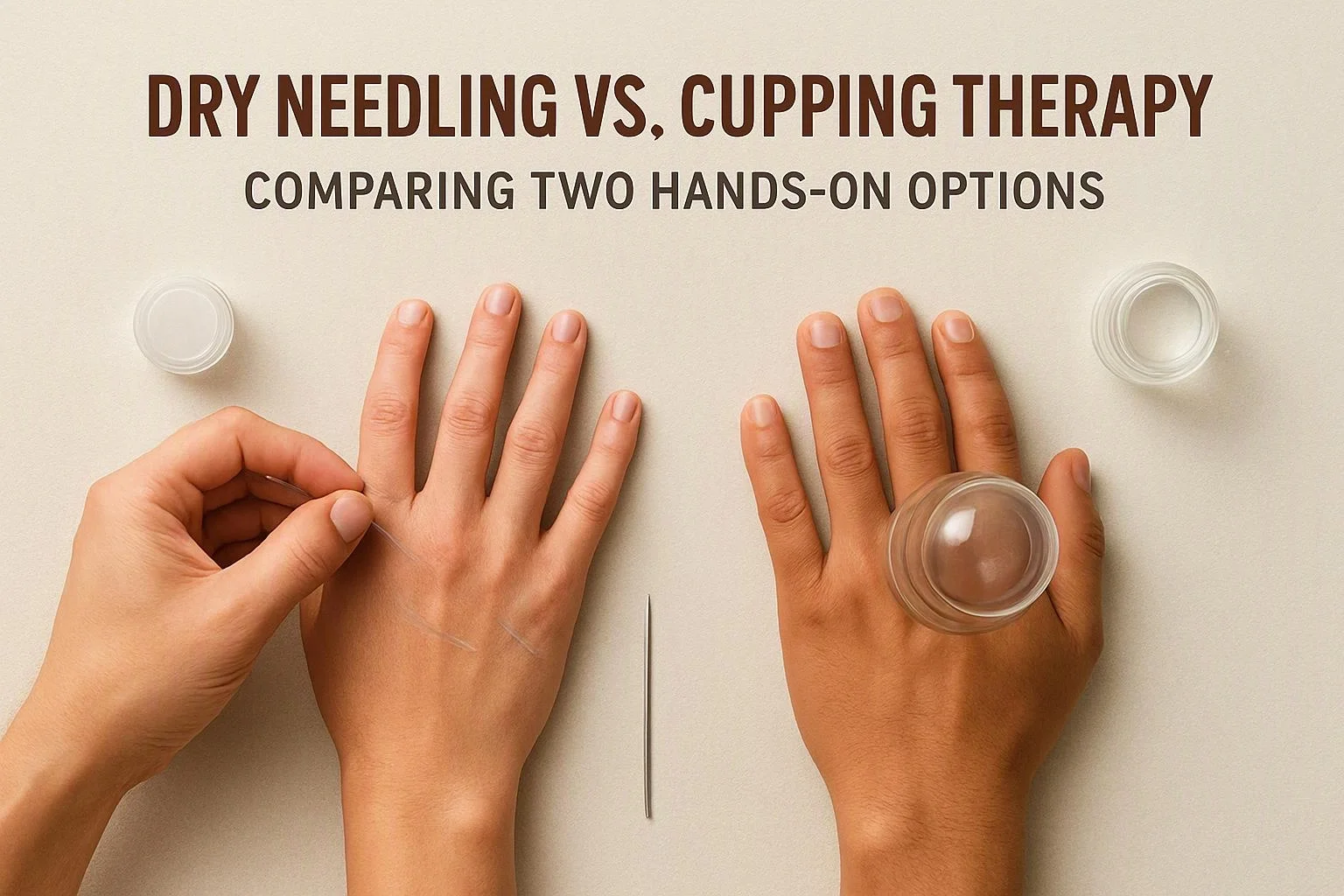
Dry needling uses thin needles to target selected muscle and soft-tissue areas, while cupping therapy uses suction to create a lifting and mobilizing effect on the skin and underlying tissue.
Dry needling may focus on trigger points, muscle tension, and localized myofascial pain. Cupping therapy uses cups placed over selected areas to support soft-tissue mobility and address muscle tightness. We use manual therapy and other conservative care when the clinical assessment shows they may support the treatment plan.
Neither option fits every type of muscle pain. We first consider the source of the symptoms, tissue sensitivity, range of motion, and the patient’s treatment goals.
Dry Needling vs. Cupping Therapy at a Glance
Dry needling and cupping therapy differ in how they contact tissue, how patients experience treatment, and which clinical findings make each option useful. Cost drivers and treatment timelines also depend on the broader care plan.
| Factor | Dry Needling | Cupping Therapy |
|---|---|---|
| Technique | Thin needles target selected muscles or trigger points. | Cups use suction over selected soft-tissue areas. |
| Cost | Cost depends on the assessment, treatment areas, session plan, and whether other manual therapy is included. | Cost depends on the assessment, treatment areas, session plan, and whether other manual therapy is included. |
| Timeline | The treatment timeline depends on the underlying condition, response to care, and broader chiropractic plan. | The treatment timeline depends on the underlying condition, response to care, and broader chiropractic plan. |
| Maintenance | Maintenance depends on symptom recurrence, movement patterns, and the plan used to address contributing factors. | Maintenance depends on symptom recurrence, movement patterns, and the plan used to address contributing factors. |
| Best for | Patients whose assessment points to targeted muscle tension or trigger-point-related discomfort. | Patients seeking suction-based soft-tissue work for muscle tightness and restricted tissue movement. |
These options can also be part of a broader plan that includes movement guidance, spinal care, or other hands-on treatment. We explain the recommended approach before care begins.
What Are the Advantages of Dry Needling?
Dry needling may be useful when the assessment identifies focused muscle tension or trigger-point-related discomfort.
We select treatment areas based on the clinical assessment rather than applying the same technique to every patient.
Who May Prefer Dry Needling?
Dry needling may suit patients with localized muscle discomfort who are comfortable with thin needles and want targeted soft-tissue care.
Patients may also consider it when muscle tension appears to affect range of motion or muscle function. We discuss needle comfort, tissue sensitivity, and the intended goal before adding it to care.
What Are the Advantages of Cupping Therapy?
Cupping therapy may be useful when suction-based care fits the patient’s symptoms, comfort level, and soft-tissue goals.
We adjust cup placement and the treatment approach according to tissue sensitivity and the patient’s response.
Who May Prefer Cupping Therapy?
Cupping therapy may suit patients who prefer suction-based care for muscle relaxation and tissue mobility.
It may also fit patients who do not want needle-based treatment. We consider skin sensitivity, the desired treatment experience, and whether manual therapy should be part of the same plan.
Can Dry Needling and Chiropractic Care Be Combined?
Yes, dry needling can be combined with chiropractic care when the assessment supports using targeted muscle work alongside the broader treatment plan.
Cupping therapy and manual therapy may also be included when they match the patient’s symptoms and treatment goals. We coordinate the techniques so each part of care has a clear purpose.
Patients can review our Dry Needling service to understand how this targeted option may fit within chiropractic care.
How We Choose Between Dry Needling and Cupping Therapy
Arrowhead Clinic Chiropractic - Albany uses clinical assessment to connect the treatment method with the patient’s symptoms, movement pattern, tissue sensitivity, and treatment goals.
This process helps us choose care based on findings instead of using the same option for every type of muscle pain.
What Should You Consider Before Choosing a Treatment?
Health history, skin sensitivity, needle comfort, medications, treatment goals, and patient preferences can affect the best treatment choice.
Tell our team about relevant health conditions, skin concerns, and medications before treatment begins. We use that information to decide whether dry needling, cupping therapy, manual therapy, or another approach fits the clinical picture.
Your preferred treatment experience also matters. A technique that matches your comfort level may make it easier to follow the broader treatment plan.
How Do Insurance and Out-of-Pocket Costs Work?
Insurance coverage for dry needling or cupping therapy depends on the plan, billing rules, and how the service is classified, so patients should confirm benefits and request a detailed quote from our team.
Out-of-pocket costs can depend on the assessment, treatment areas, session plan, and whether chiropractic services or manual therapy are included. We explain what the quote covers so you can compare the planned care with your benefits and budget.
For broader payment questions, our guide Chiropractic Care With Insurance vs Self-Pay: What to Compare explains the factors that may affect your decision.
Which Option Fits Your Treatment Goals?
Dry needling may fit targeted muscle treatment, while cupping therapy may fit suction-based soft-tissue work; our assessment connects the option to the patient’s symptoms and goals.
Manual therapy and chiropractic evaluation may support either option when the findings point to a broader movement or tissue concern. We explain why we recommend a specific technique and how it fits the treatment plan.
Patients who want to prepare for the first appointment can review Chiropractor First Visits: Comparing Evaluations, Treatment, and Fees before contacting our team.
Questions About Dry Needling and Cupping Therapy
Is dry needling more painful than cupping?
Arrowhead Clinic Chiropractic - Albany explains that dry needling and cupping feel different because dry needling uses thin needles and cupping uses suction. Patient comfort varies with tissue sensitivity, treatment areas, and personal preferences, so we discuss the expected experience before care.
Can cupping therapy leave temporary skin marks?
Yes, cupping therapy can leave temporary skin marks because suction affects the skin and underlying tissue. We discuss this possible treatment effect and consider skin sensitivity before using cups.
Can dry needling or cupping therapy be used for every type of muscle pain?
No, dry needling and cupping therapy are not appropriate for every type of muscle pain. Our clinical assessment considers symptoms, movement patterns, tissue sensitivity, health history, and treatment goals before we recommend either option.
Contact Arrowhead Clinic Chiropractic - Albany to discuss your symptoms, treatment preferences, and the care options that may fit your goals. We provide Free Consultations and can explain the expected scope and cost drivers before care begins.
Request a consultationRelated Resources
Chiropractic Adjustment and Manual Therapy: How They Work Together
Everything About ItChiropractic Adjustment: Complete Guide to Benefits, Process, Risks, and Recovery
Why It MattersBenefits of Chiropractic Care After an Auto Accident: Safety, Recovery, and Function
Brand vs BrandDry Needling Providers Worth Comparing in Albany (2026)