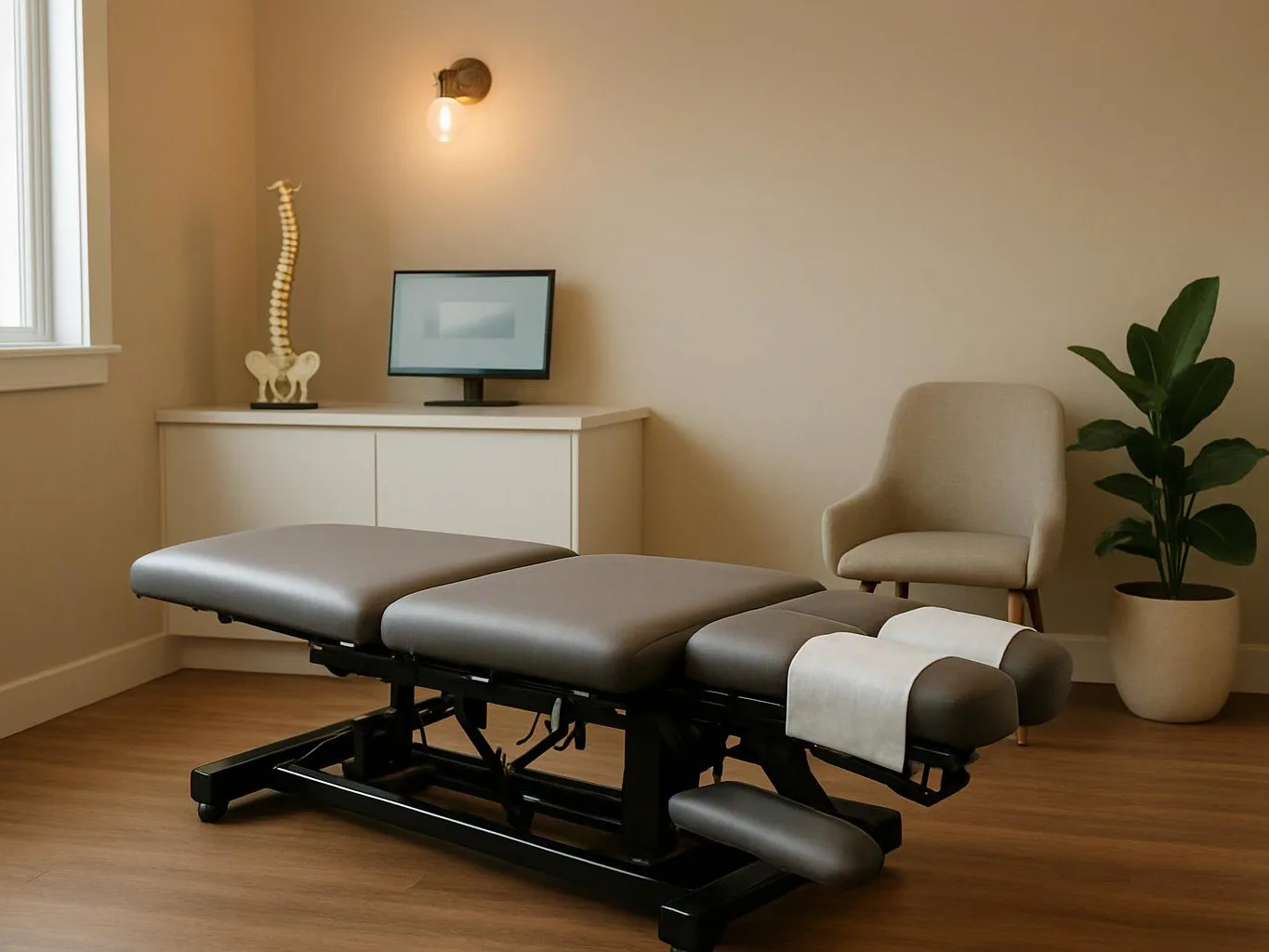
Choosing Care for a Work Injury: Questions to Ask a Chiropractor
Work injury chiropractic care can suit musculoskeletal pain and movement problems, while medical care may address medication, imaging, or conditions needing medical management; Arrowhead Clinic Chiropractic - Albany helps you ask about evaluation, treatment scope, workers compensation authorization, records, and billing before care begins.
Request an EstimateOptions at a Glance
Chiropractic care and medical provider care can address different parts of a work injury. We help you identify which type of evaluation matches your symptoms and what care coordination may be needed.
How Does Chiropractic Care Compare With Medical Provider Treatment?
Chiropractic care focuses on spinal and musculoskeletal assessment and conservative treatment, while medical provider care can address medication, diagnostic testing, medical restrictions, and conditions outside chiropractic scope.
We compare the care options by scope, evaluation needs, work demands, and workers compensation billing questions. The right path depends on the injury and the findings from an appropriate examination.
| Option / System | Best For | Typical Lifespan / Turnaround | Key Trade-Offs |
|---|---|---|---|
| Chiropractic care | Musculoskeletal pain, restricted movement, and spinal function concerns | Depends on the evaluation, injury, and treatment plan | Does not replace medical management outside chiropractic scope |
| Medical provider treatment | Medication, diagnostic imaging, medical restrictions, and broader medical concerns | Depends on medical findings and the recommended care path | May not focus on conservative spinal and movement care |
| Coordinated care | Work injuries needing both conservative care and medical management | Depends on communication, referrals, and authorization | Requires clear records and agreement about billing responsibility |
What Are the Advantages of Chiropractic Care for a Work Injury?
Chiropractic care may fit a work injury when the main concerns involve musculoskeletal pain, restricted movement, or spinal function and the treatment plan is appropriate for the injury.
Our team uses the examination findings to decide whether conservative care fits the symptoms or whether care coordination is needed.
Best for: Chiropractic care is best for work injuries centered on musculoskeletal pain, joint mobility, and functional movement.
What Are the Advantages of Medical Provider Care for a Work Injury?
Medical provider care may fit a work injury when the injury requires medication, diagnostic testing, formal work restrictions, or treatment beyond chiropractic scope.
We use referral and care coordination when examination findings suggest that medical evaluation is needed.
Best for: Medical provider care is best for injuries needing medication, testing, formal restrictions, or broader medical treatment.
How Does a Chiropractor Evaluate a Work Injury?
A chiropractor evaluates a work injury by connecting the injury history and job demands with symptoms, movement, physical findings, and the need for referral or coordinated care.
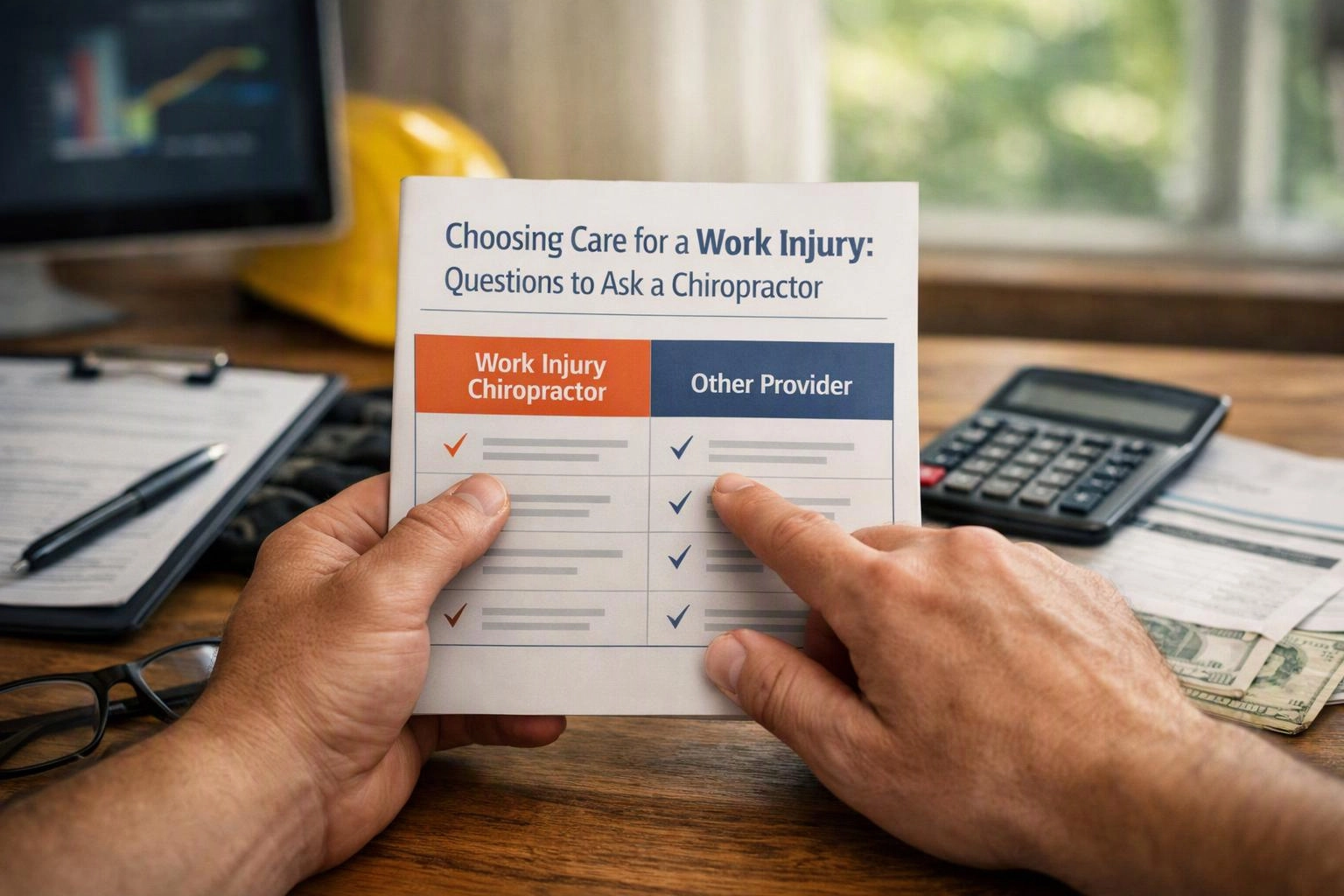
We begin with the injury history and mechanism of injury. We then review the symptom pattern, work demands, range of motion, and findings from the physical examination.
A neurological screening helps us identify signs that may require medical evaluation. We also consider how the injury affects lifting, reaching, sitting, standing, walking, or other job tasks.
The resulting injury evaluation supports a treatment plan or a referral when the findings fall outside chiropractic care.
What Should You Ask Before Starting Work Injury Chiropractic Treatment?
Before starting work injury chiropractic treatment, ask what the evaluation found, which care is recommended, how progress will be checked, and what records support the claim.
These questions help you understand the treatment plan and clarify when referral or additional medical documentation may be appropriate.
How Do You Confirm Who Pays for Work Injury Chiropractic Care?
Workers compensation may cover chiropractic treatment when the care is related to the accepted work injury and the claim administrator authorizes or recognizes the treatment, so confirm responsibility before care begins.
We help you identify the employer, claim administrator, authorization requirements, and records needed for billing. Written confirmation can clarify whether the claim administrator or another party handles billing responsibility.
Ask how treatment authorization is documented and where medical documentation should be sent. Keep copies of claim communications, referrals, authorization notices, and clinical records.
What Should a Work Injury Chiropractic Quote Include?
A work injury chiropractic quote should explain the evaluation, proposed care, billing process, claim documentation, and any patient responsibility that remains after coverage is reviewed.
We explain the treatment scope and care plan before treatment begins. We also review which billing documents may be needed for an insurance claim and which questions to direct to the claim administrator.
The cost discussion should identify what the quote covers, how authorization affects billing, and how responsibility is handled if workers compensation does not recognize a service. Request an exact quote from our team after the evaluation and coverage questions are reviewed.
How We Help You Plan Work Injury Care
Arrowhead Clinic Chiropractic - Albany reviews your work injury concerns, explains the proposed chiropractic care, and helps you identify the billing and authorization questions to resolve before treatment.
We provide Work Injury Treatment that may include a chiropractic adjustment or neck pain treatment when the evaluation supports conservative care. We also explain when referral, care coordination, or additional medical documentation may be needed.
Our team offers Free Consultations to help you organize your questions about workers compensation documentation, authorization, and billing responsibility before choosing a treatment path.
Questions About Choosing Work Injury Care
Can workers compensation cover chiropractic treatment for a work injury?
Yes, workers compensation may cover chiropractic treatment when the care relates to the accepted work injury and the claim administrator authorizes or recognizes it. Arrowhead Clinic Chiropractic - Albany helps you review authorization and documentation questions before care begins.
Should I see a chiropractor or a medical provider after a workplace injury?
Choose chiropractic care when the main concerns involve musculoskeletal pain and movement, and seek medical provider care when the injury may need medication, diagnostic testing, formal restrictions, or treatment outside chiropractic scope. We can explain whether referral or coordinated care fits the examination findings.
What records should I keep for a work injury chiropractic claim?
Keep the injury history, claim information, authorization notices, referrals, medical documentation, clinical records, work restrictions, and billing communications. We can explain which records support the treatment plan and work injury claim.
Can chiropractic treatment and medical treatment be coordinated for the same work injury?
Yes, chiropractic treatment and medical treatment can be coordinated when the work injury needs both conservative care and medical management. We use examination findings, referral criteria, and clear records to support care coordination.
What happens if a workers compensation claim administrator has not approved treatment?
If a workers compensation claim administrator has not approved treatment, ask what authorization or medical documentation is still required and confirm billing responsibility before care begins. We can explain the records and billing questions connected with the proposed treatment plan.
Arrowhead Clinic Chiropractic - Albany helps you review your work injury evaluation, treatment plan, referral questions, and workers compensation billing concerns before care begins.
Related Resources
Chiropractic Adjustment and Spinal Decompression: When Are Both Used?
What Goes With ItChiropractic Adjustment and Manual Therapy: How They Work Together
What Goes With ItWhiplash Treatment After an Auto Accident: When Chiropractic Care Fits
Everything About ItChiropractic Adjustment: Complete Guide to Benefits, Process, Risks, and Recovery